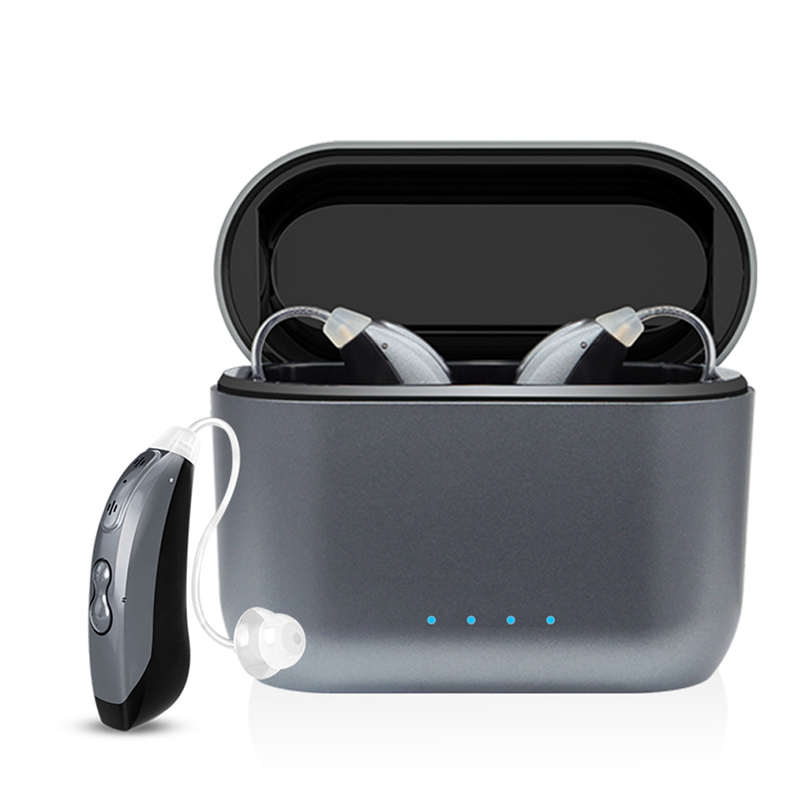
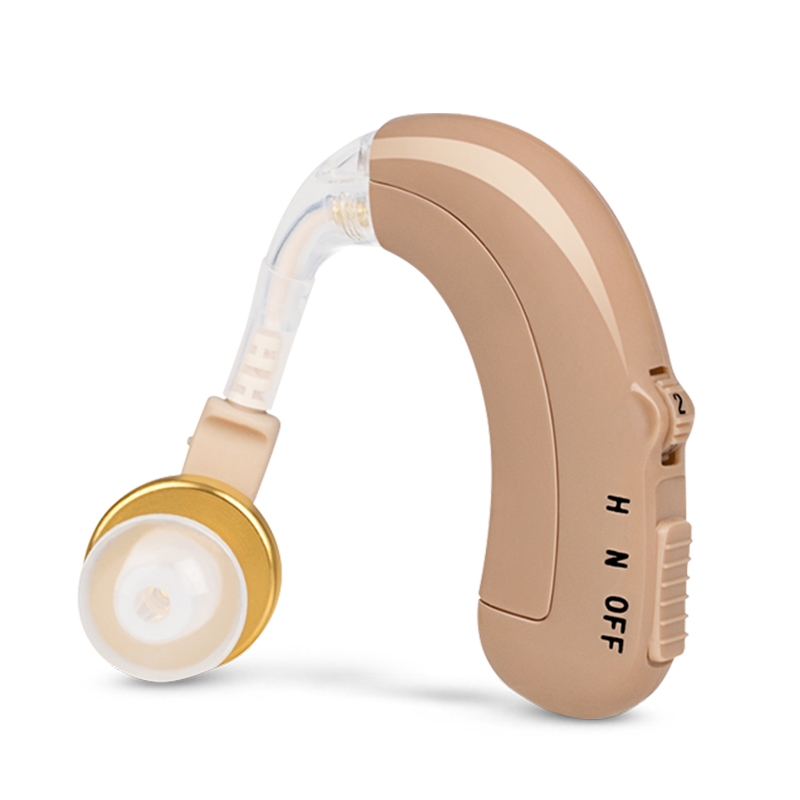
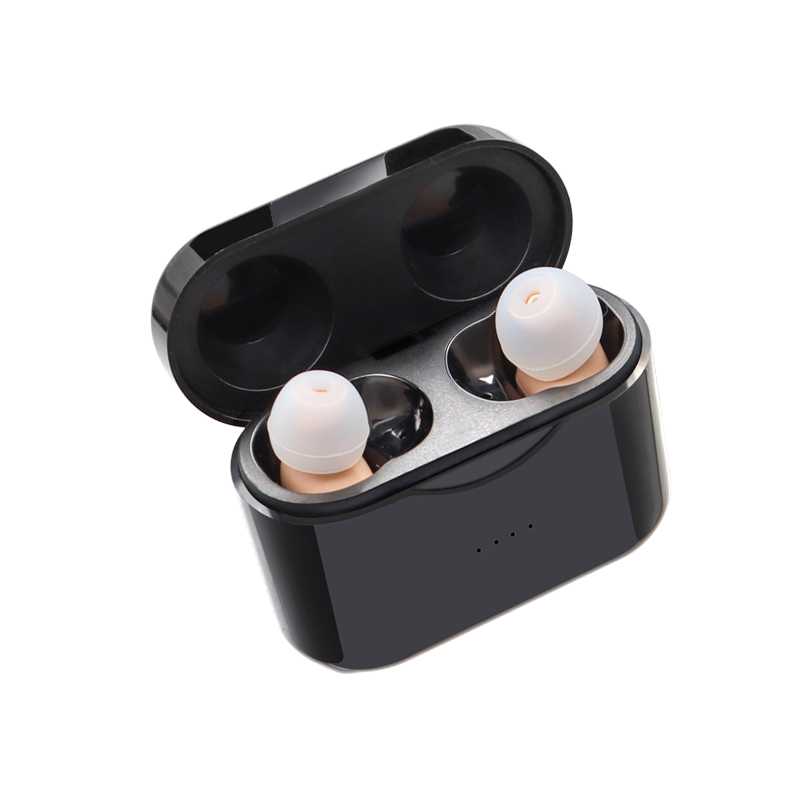
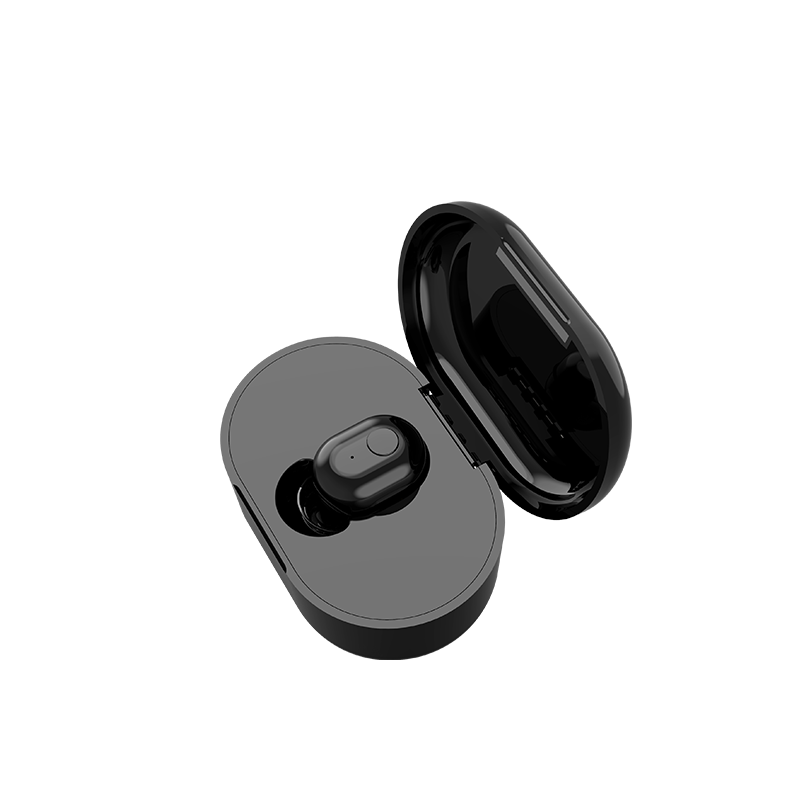
Hearing aid feedback, often described as a high-pitched whistle or squeal, occurs when sound leaks from the receiver back to the microphone, creating a continuous loop of re-amplified noise. This can happen due to loose hearing aids caused by chewing, talking, or improper fitting, as well as through vents designed to reduce the occlusion effect. Advanced solutions include feedback cancellation systems and designing hearing aids with increased distance between the microphone and receiver. Proper fitting is crucial in minimizing feedback issues, ensuring a comfortable and effective listening experience for users.

That whistling sound coming from your hearing aid seems to be a phantom noise. Indeed, many hearing aid users wonder where the hearing aid whistling sound comes from, and why seemingly at the worst times? Here we have elucidated the mechanisms of hearing aid feedback to clear the air about what is otherwise known as hearing aid “whistling.”
Hearing Aid Feedback: Understanding How Hearing Aid Parts Work
Before getting to why hearing aids whistle, it is important to understand the anatomy and function of the different hearing aid parts. It is easiest to view it as a series of four conversions:1) Sound is Converted into Analogs
First, the sound is converted to electric signals, or analogs, via a microphone. Every hearing aid, whether behind-the-ear or in-the-ear, has a microphone. The microphone is situated on the outer-most portion of the device to pick up sound and convert it into electric signals.
2) Analog Signals Are Converted into Digital Signals
Second, analog signals are converted to digital signals in a process called analog-to-digital conversion (A-to-D). This happens in the processor. In the digital format, sound can be enhanced and modified according to the hearing-aid wearer’s needs. Frequency amplification, noise and wind reduction, and feedback inhibition will happen in the processor.
3) Digital Signals Are Converted Back to Analogs
Third, the digital signals are converted back to analog form (D-to-A) and go to the receiver. In other words, things come full circle.
4) The Receiver Converts the Sound Waves
Fourth, and finally, the receiver converts the analog signals into sound waves, which travel through the ear canal and can be picked up by the brain.
Hearing Aid Feedback: Why Hearing Aids Whistle
With this understanding of the hearing aid, it is now possible to tackle hearing aid feedback problems.So Why Exactly Do Hearing Aids Whistle?
Feedback is essentially the function of any sound system. It occurs when the sound that travels through a microphone to speakers is continuously picked up by the microphone and re-amplified. In hearing aids, when sound leaks from the receiver back to the microphone, the microphone will continuously re-amplify the sound. This creates a feedback loop and leads to hearing aid feedback problems, which can manifest as a high-pitched, unwanted squeal or “whistle.” Sound leaks back to the microphone when the hearing aid is loosened, causing further hearing aid feedback problems. This can happen any time a person chews, talks, puts on a hat, or combs their hair. Loose hearing aids may also be the result of poor fitting.
How Vents Can Cause Hearing Aid Feedback Problems
Vents can also cause hearing aid feedback problems. Vents are holes drilled into hearing aids that allow amplified sound to escape the ear canal. They help avoid the “occlusion effect,” an acoustic phenomenon that increases the volume perception of a person’s own voice due to sound trapped between the hearing aid and the eardrum.
Hearing Aid Feedback: In Search of a Feedback Foil
Knowing the causes of hearing aid feedback can guide its correction; hearing-aid users will usually try to tighten their hearing aid mold (which can become uncomfortable), go to their clinician for several fittings, or adjust the size of their vents to see which causes the least amount of whistling. Hearing aids can also come with feedback cancellation (FBC) systems, however, their effectiveness can vary by the hearing aid manufacturer. More recently, hearing aids have been designed to increase the distance between the microphone and the receiver. Proper fit is extremely important when addressing feedback issues. The next time that phantom noise punctures the air, it can turn into a conversation piece. But hopefully, your hearing aid whistling days are over.by Estie Neff, Updated in 2021 by Kim Smith
The above is the interpretation of Why Is My Hearing Aid Whistling? provided by Chinese hearing aid supplier Shenrui Medical. Link https://www.srmcm.com/Blog/Why_Is_My_Hearing_Aid_Whistling.html of this article is welcome to share and forward. For more hearing aid related information, please visit Blog or take a look at our Hearing aids products