What are ototoxic drugs?
Otolaryngologist and research professor Dr. Leonard Rybak, Ph.D, M.D., explains, “Ototoxicity is the process by which the inner ear is damaged by a drug. It can affect either the balance system or the auditory system, or sometimes both.”
Ototoxicity literally means “ear poisoning” (“oto” = ear, “toxicity” = poisoning). Any substance that might negatively affect the inner ear, specifically its sensory cells, is considered ototoxic. Because inner ear organs control both hearing and balance, damage from ototoxic drugs and medicines can result in hearing loss, tinnitus and balance problems.
Many medications are known to have ototoxic effects. According to the American Speech-Language-Hearing Association, more than 200 known ototoxic medications are in use today.
What are ototoxicity symptoms?
Being classified as ototoxic does not mean a medication will have the same effect on everyone- some people might not be affected at all. Symptoms can vary considerably depending on a person’s age and health history, the type of ototoxic drug being ingested and the extent of exposure. Symptoms of ototoxicity include:
- Mild to severe hearing loss in one or both ears
- Ringing in the ears (tinnitus)
- Impaired balance
- Dizziness
How is ototoxic hearing loss diagnosed?
There’s no specific test for ototoxicity. To make a diagnosis, doctors look at an individual’s health history, symptoms and hearing test (audiogram) results. They may also perform an ear inspection to rule out other potential hearing loss causes, such as an ear infection, ear wax buildup or a perforated eardrum.
Before starting a patient on an ototoxic drug, doctors are advised to conduct a baseline hearing test to help them monitor changes in the patient’s hearing during the treatment process. “If a patient didn’t have a previous hearing test prior to exposure to the drug, they wouldn’t know if they had hearing loss before or if it’s something related to the drug,” Dr. Rybak explains. “Before starting a patient on an ototoxic drug, doctors should do a baseline hearing test and do follow-up tests later to see if any changes have taken place.”
How is ototoxic hearing loss treated?
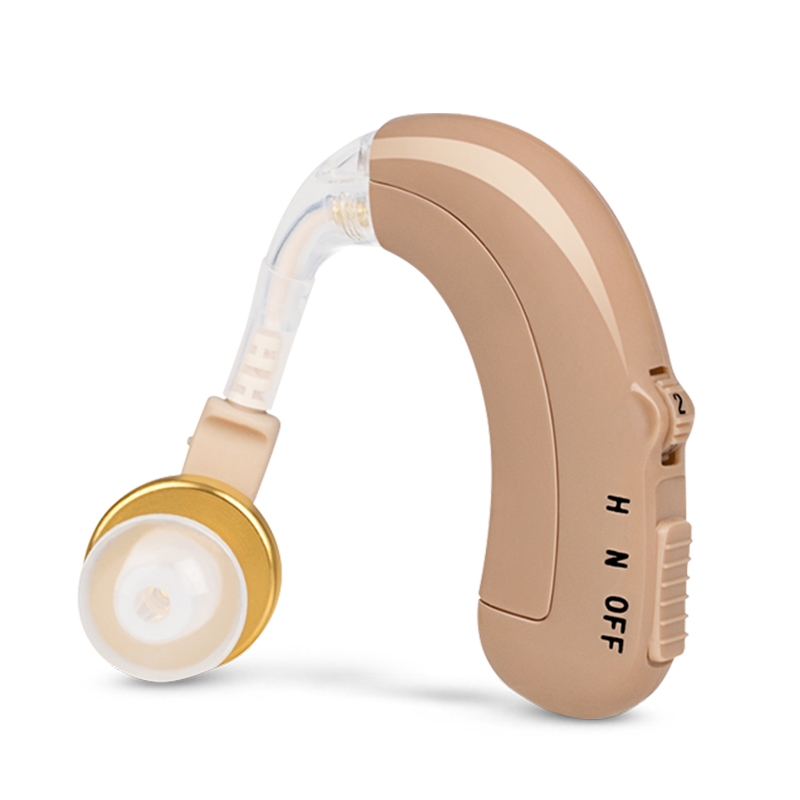
If stopping the ototoxic medication doesn't reverse the damage, other measures must be taken. Treatment for ototoxic hearing loss focuses on controlling the symptoms. Hearing aids (cochlear implants, in more severe cases) can significantly improve hearing for people with permanent hearing loss and tinnitus.
The above is the interpretation of A List of Common Ototoxic Drugs and How to Protect Yourself provided by Chinese hearing aid supplier Shenrui Medical. Link https://www.srmcm.com/Blog/A_List_of_Common_Ototoxic_Drugs_and_How_to_Protect_Yourself.html of this article is welcome to share and forward. For more hearing aid related information, please visit Blog or take a look at our Hearing aids products