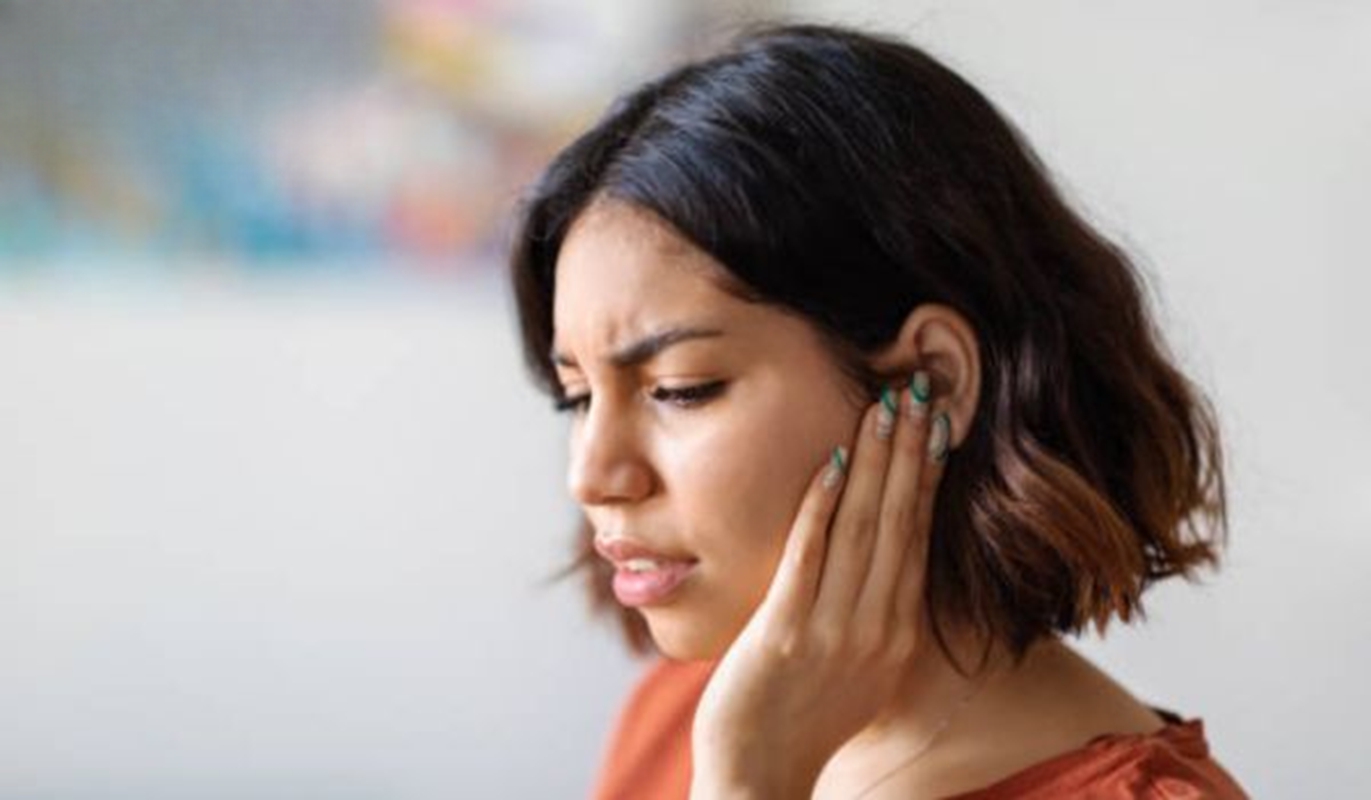
We’ve all been startled by a loud noise. Whether a car backfires or a thunderclap unexpectedly interrupts a quiet moment, the natural response is to flinch or feel a rush of adrenaline. This reaction is a basic human instinct designed for survival and serves to alert us of potential dangers. However, for some individuals, the fear response to loud noises can be significantly more intense. This persistent, abnormal and unwarranted fear of sound is known as phonophobia.
Phonophobia is an exaggerated or irrational fear response to certain noises, especially loud or sudden sounds.
People with phonophobia experience fear, anxiety and panic when certain sounds are present or even at the prospect of certain sounds. The sounds don’t always have to be loud; someone with phonophobia may dread day-to-day sounds like traffic, a door closing or loud talking.
Phonophobia symptoms often mirror those of other panic disorders. Common symptoms may include:
- Shortness of breath
- Rapid heartbeat
- Dry mouth
- Anxiety
- Panic
- Chest pain
- Lightheadedness
- Fight-or-flight response
There’s no one exact cause of phonophobia. As a mental health condition, it is likely the result of a combination of factors—some genetic and some resulting from trauma or life circumstances. If you have a history of anxiety disorders in your family, you may be more likely to develop phonophobia.
There are some instances where a fear of loud noises can be a symptom of other conditions, including migraine headaches or traumatic brain injury.
Phonophobia is not the only condition that presents as a fear of loud noises. Phonophobia can be an extreme form of misophonia—or an extreme dislike of certain sounds.
Hyperacusis and phonophobia are often used interchangeably, but there are key differences. Where phonophobia is a psychiatric disorder that causes a fear or anxiety response when certain sounds are present, hyperacusis is an abnormally strong reaction to sound that’s triggered from within the central or peripheral auditory system. People with hyperacusis perceive everyday sounds as unbearably loud, even if they are at a normal volume.
There are also differences in what triggers the sound sensitivity. Those with phonophobia may fear specific sounds—like fireworks or a balloon popping—linked to a traumatic event. Hyperacusis is less about emotional discomfort and more about ear pain triggered by sound.
It can be hard to distinguish a phonophobia diagnosis from other sound-sensitivity conditions, especially in children. Your doctor may recommend audiological assessments, an MRI and even blood tests to identify any neurological or endocrinological causes.
Ultimately, phonophobia is diagnosed by a healthcare provider using specific criteria for phobia found in the Diagnostic and Statistical Manual of Mental Disorders (DSM-5), where:
- The excessive fear response is triggered by the presence or anticipation of a specific situation or event.
- The fear or anxiety is serious enough to cause problems in day-to-day life, like trouble with work, school or hanging out with friends.
- The fear or anxiety is out of proportion with the actual danger posed by the trigger.
- The triggering sound is actively avoided or endured with a lot of anxiety.
- The sound that causes the fear or anxiety almost always brings about an immediate fearful or anxious response.
- The fear, anxiety or avoidance lasts more than six months.
- The intense fear and anxiety about specific sounds is not a symptom of another mental disorder, like panic disorder, OCD, PTSD, separation anxiety or social anxiety.
Phonophobia is a very treatable condition. After a psychiatric evaluation and diagnosis, a therapist may recommend the following treatments:
- Psychotherapy: Therapy in the form of cognitive behavior therapy (CBT) or exposure therapy can get to the root causes of a patient’s anxiety and help to reduce or eliminate phonophobia responses.
- Medications: Anxiety medications may help take the edge off or reduce some of the symptoms of phonophobia.
While phonophobia is considered an anxiety disorder rather than a hearing disorder, most patients will start down the path of diagnosis by visiting a primary care provider. Your doctor may then refer you to a hearing specialist and/or a mental health professional, depending on your symptoms and test results.
Phonophobia is a highly treatable condition, but that doesn’t mean it can be cured overnight. As with most anxiety disorders, recovery is a journey. But there is hope: With treatment, you can learn to manage your anxiety around noise and live your life with less fear.
The above is the interpretation of Coping with Phonophobia: Symptoms and Treatment Options provided by Chinese hearing aid supplier Shenrui Medical. Link https://www.srmcm.com/Blog/Coping_with_Phonophobia_Symptoms_and_Treatment_Options.html of this article is welcome to share and forward. For more hearing aid related information, please visit Blog or take a look at our Hearing aids products