Whether you’re singing in the shower or singing on stage, music just makes life more enjoyable. Listening to music is a great way to relax, unwind and connect with friends and family. Unfortunately, if you’re a performing musician, music and hearing loss often go hand in hand: regular exposure to excessively loud noise from cheering fans and blasting speakers can cause significant damage to the inner ear.
Despite the risk that live music can present for hearing, hearing aids for musicians can improve and protect your hearing if you’re regularly around loud music. Read on to learn more about how these devices work and the best hearing aids for musicians.
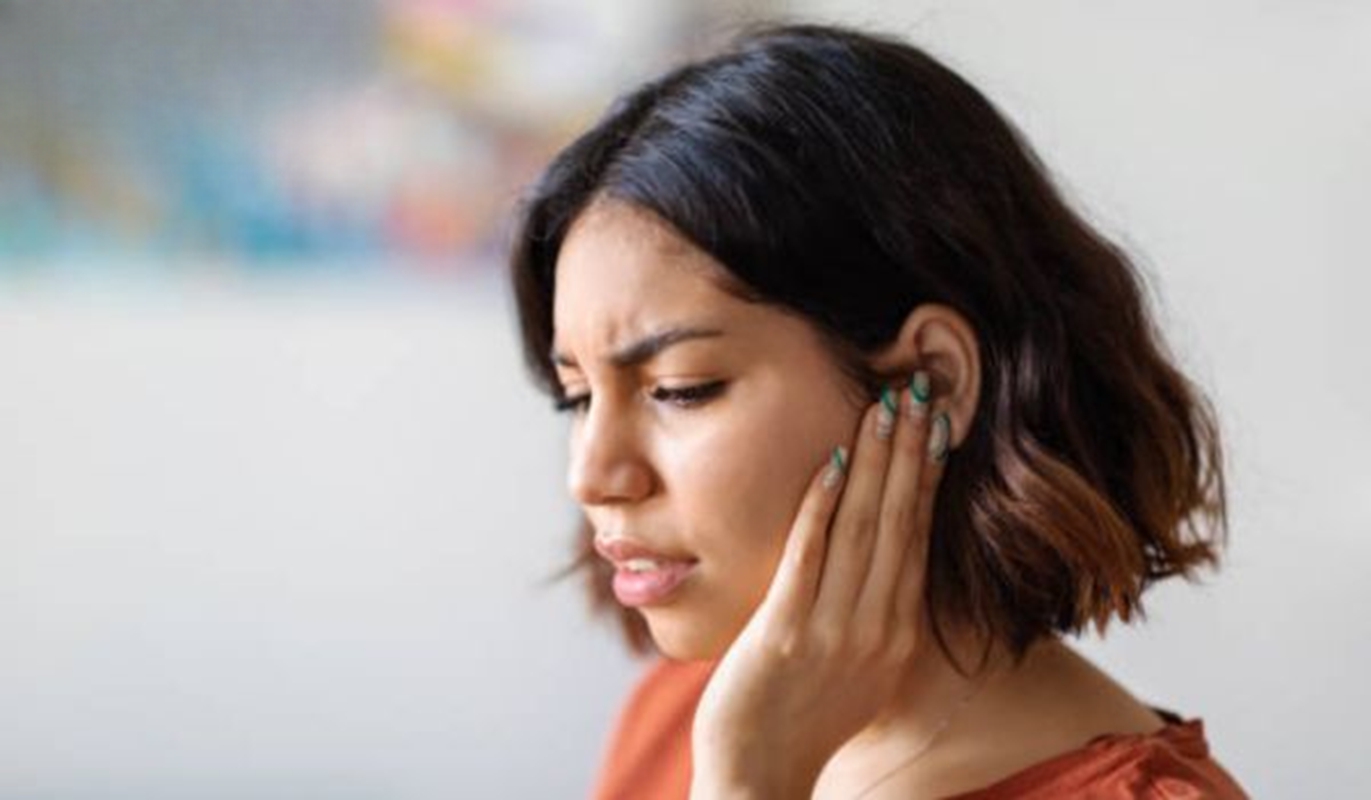
Loud noises can potentially cause great damage to your hearing, either temporarily or permanently. Known as noise-induced hearing loss (NIHL), this type of hearing damage can result from brief exposure to extremely high noise levels or repeated exposure to loud noises over an extended period of time. This hearing loss may look different for everyone, but three main factors determine the severity of noise-induced hearing damage: how loud the sound is, how close you are to it and how often you’re exposed to it. NIHL can happen quickly, but most often occurs gradually, which makes it hard to pinpoint the damage until it’s too late.
But how loud is too loud? Studies have shown that extended exposure to sound levels of 85 decibels (dB) or more can cause permanent hearing loss. That’s a sound level equivalent to a food blender, heavy traffic or a noisy restaurant. By comparison, the average concert clocks in at between 90 to 120 dB. This means that, especially as a musician regularly performing on stage, you’re often exposed to very high, damaging sound levels for long periods of time. This frequent sound exposure can destroy the sensitive hair cells of the inner ear, which help enable hearing. Once those hairs are damaged, they cannot be repaired, leading to hearing loss.
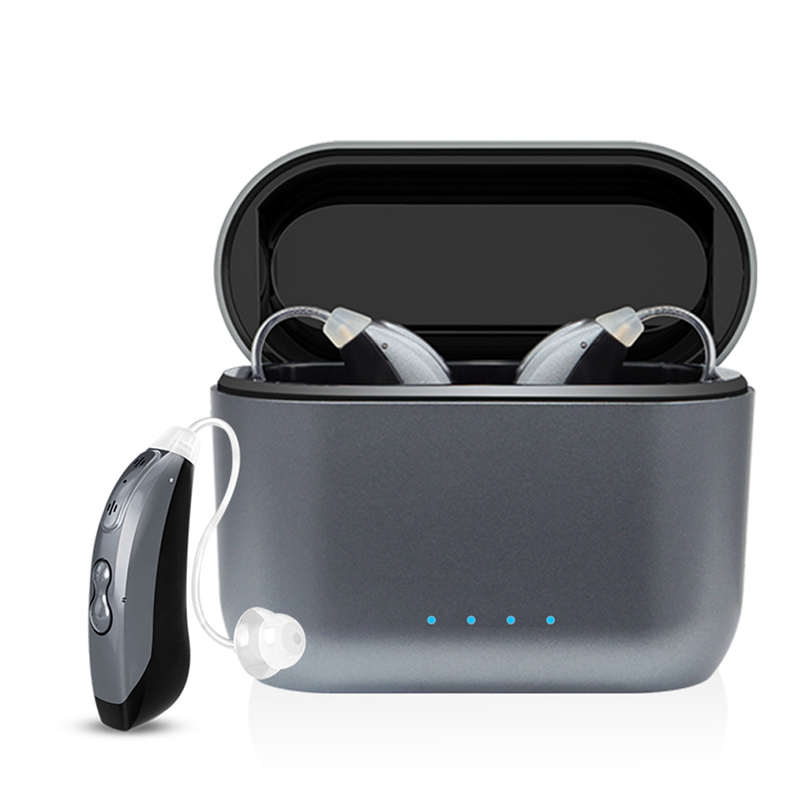
In order to understand how hearing aids can support your hearing loss as a musician, it’s important to first understand how hearing aids work. While hearing aid styles may have some slightly different features, all hearing devices have the same three basic components: a microphone, an amplifier and a receiver.
Sound enters the device through the microphone system. Next, it moves to the receiver through a wire. Finally, a built-in amplifier analyzes and boosts the sound to be loud enough to be heard in the ear and create a more natural listening experience.
While hearing aids are very important devices for people living with hearing loss, the devices can still present some initial challenges for musicians. Hearing devices of the past were designed primarily to offer the best hearing aid speech clarity possible—which in turn made music sound distorted or unnatural due to a difference in range between speech and music.
Hearing aids are designed to pick up on a normal human speech decibel and frequency range, which is typically 25 to 85 dB and 250 to 6,000 Hz. While this range is very useful for a typical conversation, it’s a lot smaller than what’s generally used in music. Music includes sounds that may be louder or softer, or lower- and higher-pitched than normal speech. Trying to apply a smaller framework to a larger range can be challenging for your hearing aids to process, causing music to sound flat and “tinny”.
However, as hearing aids have evolved and technology has improved, many hearing aids now come with settings specifically tailored to make hearing music easier. These specialized programs are designed to expand the hearing aid’s listening range and optimize sound quality to pick up lower frequencies or louder tones that might otherwise have been missed.
As hearing aid technology has improved, so has the hearing aid/music listening experience. This is thanks in part to hearing aid programs, or pre-programmed settings in the hearing aids that allow you to transition between listening environments more easily. Most modern hearing aids offer music programs that can be customized to align with your lifestyle, allowing you to listen and enjoy your favorite music in high quality.
With the help of a hearing aid music setting, you provide the listener wider and more dynamic range of pitches and sounds, understand lyrics and hear a more full sound, improving overall listening experience.
Miracle-Ear offers three music programs—Performer, Concert and Playback—to musicians and music fans alike. Speak with a licensed hearing care professional (HCP) at Miracle-Ear to discuss what hearing aid programs would best suit your needs. Your HCP can also help you customize settings for your unique hearing and how you’ll be using your hearing aids.
The best hearing aids for musicians—or anyone, for that matter—are the hearing aids that meet your specific degree of hearing loss. Certain styles of hearing aids are designed to support certain severities of hearing loss. Review what styles might be best for your type of hearing loss:
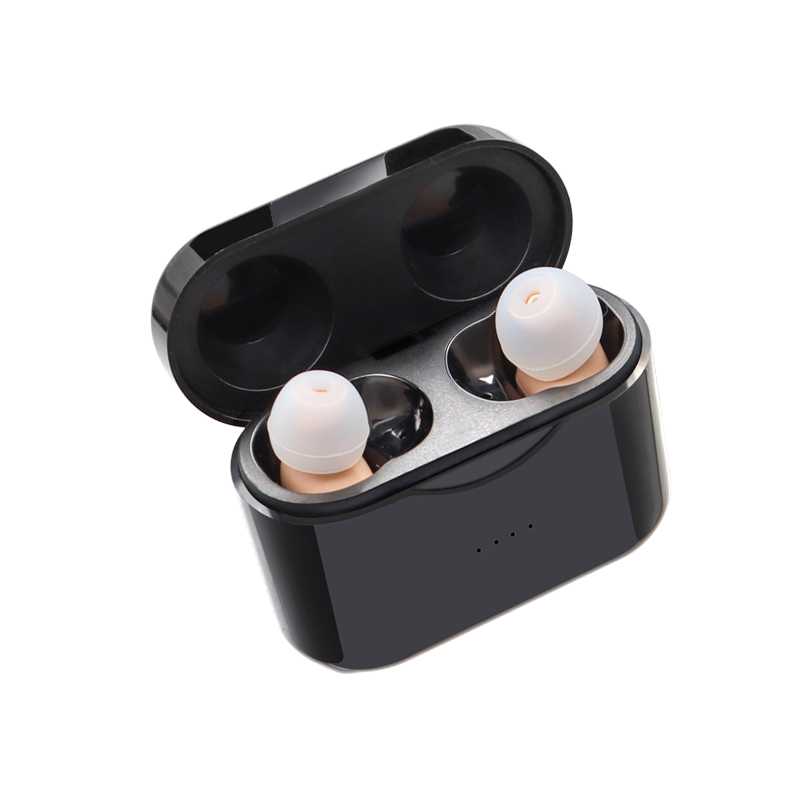
- Mild hearing loss: Completely-in-canal (CIC) hearing aids are generally recommended for cases of mild hearing loss. This type of hearing aid is customized to fit the size and shape of your ear and sit entirely inside of the ear canal.
- Moderate hearing loss: In-the-ear (ITE) hearing aids are often suggested for people with moderate hearing loss. These hearing aids, which fit partially in the canal, with slightly more visibility than CIC styles, often come with more powerful features such as more advanced technology and telecoils. Receiver-in-canal (RIC) hearing aids are also a great option for moderate-to-severe hearing loss. This style provides the most natural listening experience of all hearing aid styles.
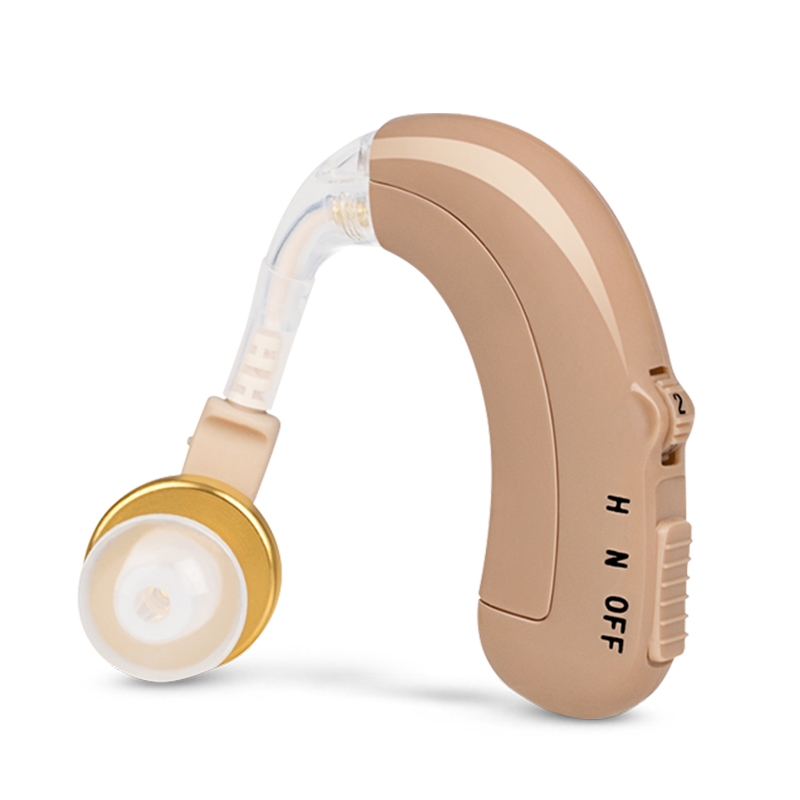
- Severe and profound: Behind-the-ear (BTE) hearing aids, which are worn behind the ear, are considered the best option for cases of severe hearing loss. Given their larger size, these devices are more powerful than other types of hearing aids and can store more advanced technological programming to support your hearing loss needs.
Discuss your hearing loss and your lifestyle needs with your HCP at your local Miracle-Ear center. They’ll be able to offer recommendations for the styles of hearing aids that can meet your hearing loss needs and align with your lifestyle.
The style of hearing aids that will work best for you is entirely dependent on your degree of hearing loss and your lifestyle needs. However, the best hearing aids for streaming music are generally those with Bluetooth® capabilities. Not only is Bluetooth a useful tool in streaming calls from your phone, but it can also be used to stream music or other audio directly in your ears.
Many modern hearing aid styles offer these features. If your devices don’t offer Bluetooth capabilities, consider direct audio input or other streamers that can be used alongside your hearing aids to listen to music. Your HCP can also help program your hearing aids for optimal sound when listening to live music.
https://www.asha.org/public/hearing/loud-noise-dangers/
https://www.cdc.gov/hearing-loss/prevention/index.html
The above is the interpretation of A Musician's Guide to Hearing Aids: Finding Clarity and Fidelity provided by Chinese hearing aid supplier Shenrui Medical. Link https://www.srmcm.com/Blog/A_Musician_s_Guide_to_Hearing_Aids_Finding_Clarity_and_Fidelity.html of this article is welcome to share and forward. For more hearing aid related information, please visit Blog or take a look at our Hearing aids products