Get helpful advice to start shopping for hearing aids for seniors. In this blog, you’ll learn how to evaluate hearing aid features and technology that make sense for seniors’ lifestyles, health and other important considerations.
The stereotypes about seniors not hearing well have been present for a long time. Think of TV shows and movies through the decades, and it’s easy to remember scenes with actors speaking comically loud to an older person.
Even though how we view and treat hearing loss has evolved, hearing loss’s association with aging hasn’t changed. In fact, the National Institute on Aging estimates that one-third of people over 65 have hearing loss, and the National Institutes of Health (NIH) says that 28.8 million people in the United States could benefit from hearing aids. But of those people, very few get the help they need: less than 16% among those 20-69 years old and under 30% among those 70 and up.
Facts and figures paint part of the picture, but when you know someone with hearing loss and see how it affects their lives, it’s even clearer; Treating hearing loss is essential. Hearing aids for seniors can make a world of difference. Studies show a correlation between wearing hearing aids and reduced risks of dementia, depression and falling. In fact, in one recent study, researchers found that wearing hearing aids can reduce the risk of dementia by as much as 42%—bringing it down to the same level as those who don’t have hearing loss.
Hearing aids also promise better social engagement with richer relationships and better quality of life. Surveys of hearing aid owners show higher levels of satisfaction with their ability to hear in all kinds of environments—by as much as 47% percent—over their peers without hearing aids.
However, it’s important to get the right kind of hearing aids, and that means choosing the best hearing aids for seniors based on their unique needs and priorities. Let’s dig into the details of how hearing loss affects seniors and what you need to consider when buying hearing aids, whether you’re shopping for yourself or helping a loved one.
Age-related hearing loss is known as presbycusis (press-buh-kyew-sis). The roots of the word—“presby” and “cusis,” meaning “old age” and “hearing problem,” respectively—tell the story plainly: With age comes a diminishing ability to detect sounds across the full range of human hearing. People often notice subtle changes in their 60s, but when hearing decline starts and how it progresses is highly individual.
The functional roots of presbycusis are often a mix of factors, including age-related anatomical or physiological changes, hormones, genetic predispositions, certain diseases, ototoxic medications, and noise exposure throughout a person’s life. With all of those possibilities in the mix, it makes sense that no two cases of hearing loss are the same and that treating it should be adapted to serve each person’s needs.
Hearing aids are the leading treatment option for presbycusis, but there’s no single title holder for the best hearing aids for seniors. There are numerous options on the market, varying in style, shape, technology and features. All those differences make hearing aids adaptable to the wide range of ways that presbycusis shows up in different people, not to mention the countless ways people live their lives.
Finding hearing aids for seniors typically start with speaking to a specialist and getting a full hearing test. That’s the baseline for determining the specifics of your hearing loss. Beyond that, it’s crucial to have a frank conversation with your provider about what you want to get from your hearing aids, as well as all the activities, habits and events that make up your life. (Having a loved one who knows your hearing join that conversation is also a very good idea!)
Ultimately, the best hearing aid for seniors is one that is effective, comfortable, convenient and tailored to your hearing. While it might seem like an easy transfer from one person to another, the lack of regulation around cleanliness standards or sterilization means you could receive an unhygienic product.
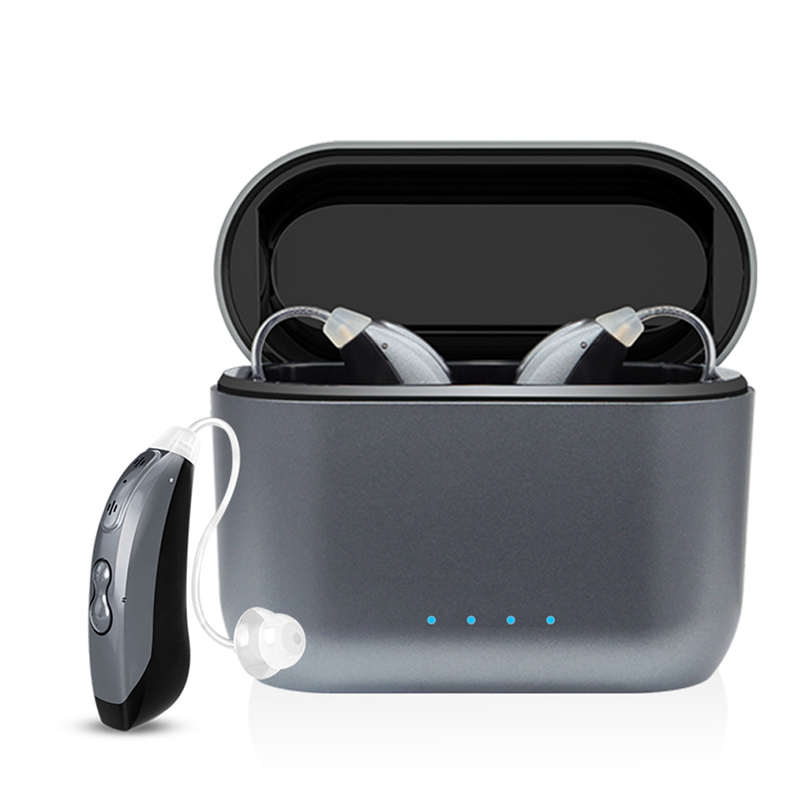
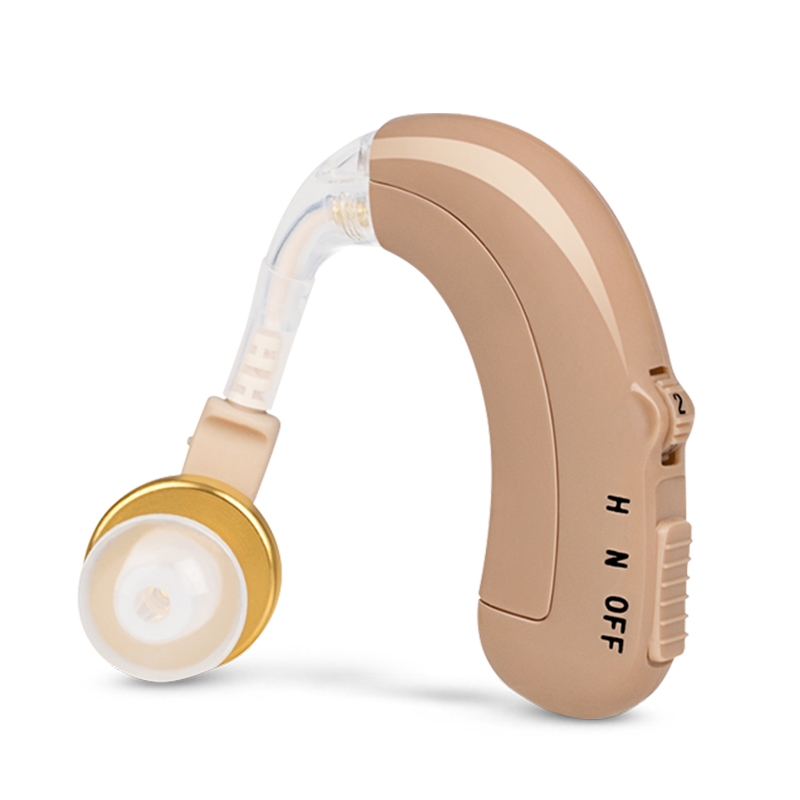
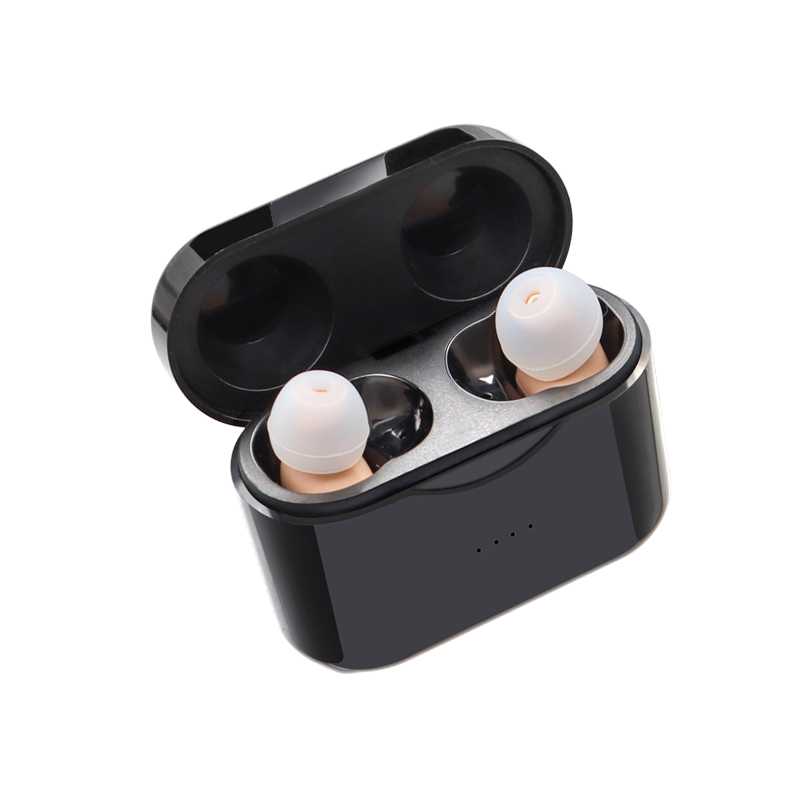
As you dig into the task of finding the best hearing aids for seniors, there’s some baseline information that you should start with—and that’s knowing the three hearing aid types you’ll be choosing from. Each is commonly known by an acronym that describes where they sit on or in the ear. They are:
- BTE (Behind-the-Ear): These hearing aids are the largest and most powerful models, with all of the functional components sitting behind the ear.
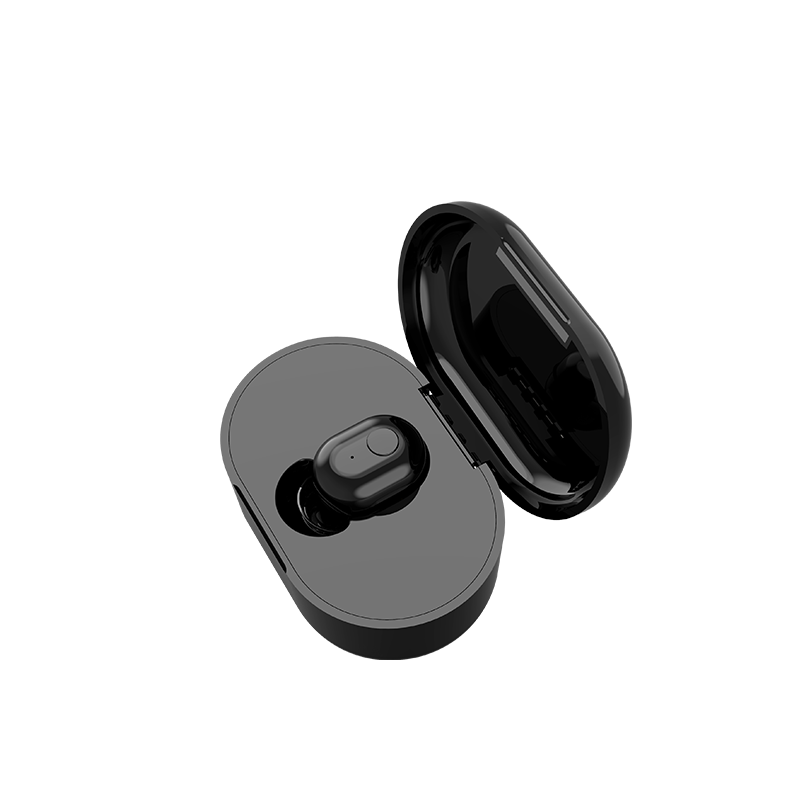
- ITE (In-the-Ear): These are the smallest, most imperceptible form of hearing aids because the entire device sits in the ear canal.
- RIC (Receiver-in-Canal): The most popular style, RICs have a small case that sits behind the ear, connected by an ultrathin wire that holds the receiver inside the ear.
The process of buying a hearing aid can feel like a big deal. First, it’s a health issue, which is always stressful, and getting hearing aids can stir up emotions about getting older. But finding and connecting with an empathetic hearing care professional can make the process easier. Here are some hearing aid considerations to keep in mind as you take those first steps to improve your hearing:
- Getting tested matters. A hearing test tells you (and your provider) about the specifics of your hearing loss. That information is essential in finding an effective hearing aid, so you shouldn’t skip it.
- Assess your lifestyle preferences. There are so many factors that go into how you live your life and spend your days, and plenty of them are relevant to the kind of hearing aid you need. Do you feel comfortable handling small objects? Do you live in an area with lots of planes flying overhead? Do you attend church or other public speaking events? Do you go on lots of walks or runs? The answers to questions like these, taken in total, make a big difference in not only the kind of hearing aids you should buy but how they should be programmed.
- Support makes a difference. Having someone to call when you’ve got a question or a problem makes a world of difference. Establishing a relationship with a hearing care professional means that you’ll have a partner in your hearing health (one who knows all the technical stuff, too). Every Miracle-Ear purchase includes lifetime aftercare, so things like ongoing testing, cleanings, fittings, inspections, repairs and exams are part of the deal for years to come.
- Know your tech levels. Some people aren’t techies, and that’s OK. Others crave the newest scientific updates as soon as they emerge—that’s OK too. Knowing what kind of tech you’re able and willing to use and adapt to is part of the hearing aid selection process. You’ll be able to choose whether you want just the basics and manual operation or higher-tech options like app control, rechargeability, streaming audio and more.
Getting started with the hearing aid process is as easy as setting an appointment with a hearing care specialist, which you can do online, by phone or by dropping into one of Miracle-Ear’s 1,500 neighborhood locations. You’ll start with a free hearing evaluation that includes a full range of testing and our one-of-a-kind lifestyle assessment. Based on your results, you’ll be given a range of choices that you can try on and test to see what’s most comfortable and adaptable to your life.
There are many hearing aid options—as you’ve probably gathered, and making heads or tails of them is easier with a professional on your side. Miracle-Ear hearing care professionals not only do the testing and evaluation to get you into your hearing aids, they stay with you throughout your hearing journey. Clients often say that their HCPs know their ears better than they themselves do—and that makes it easy to ensure that you’re getting the care you need to keep at optimal levels for a long time to come.
To meet with a Miracle-Ear hearing care professional and get started on the path to a richer life and better hearing, make your appointment today.
The above is the interpretation of Top Tips for Seniors Selecting Hearing Aids provided by Chinese hearing aid supplier Shenrui Medical. Link https://www.srmcm.com/Blog/Top_Tips_for_Seniors_Selecting_Hearing_Aids.html of this article is welcome to share and forward. For more hearing aid related information, please visit Blog or take a look at our Hearing aids products