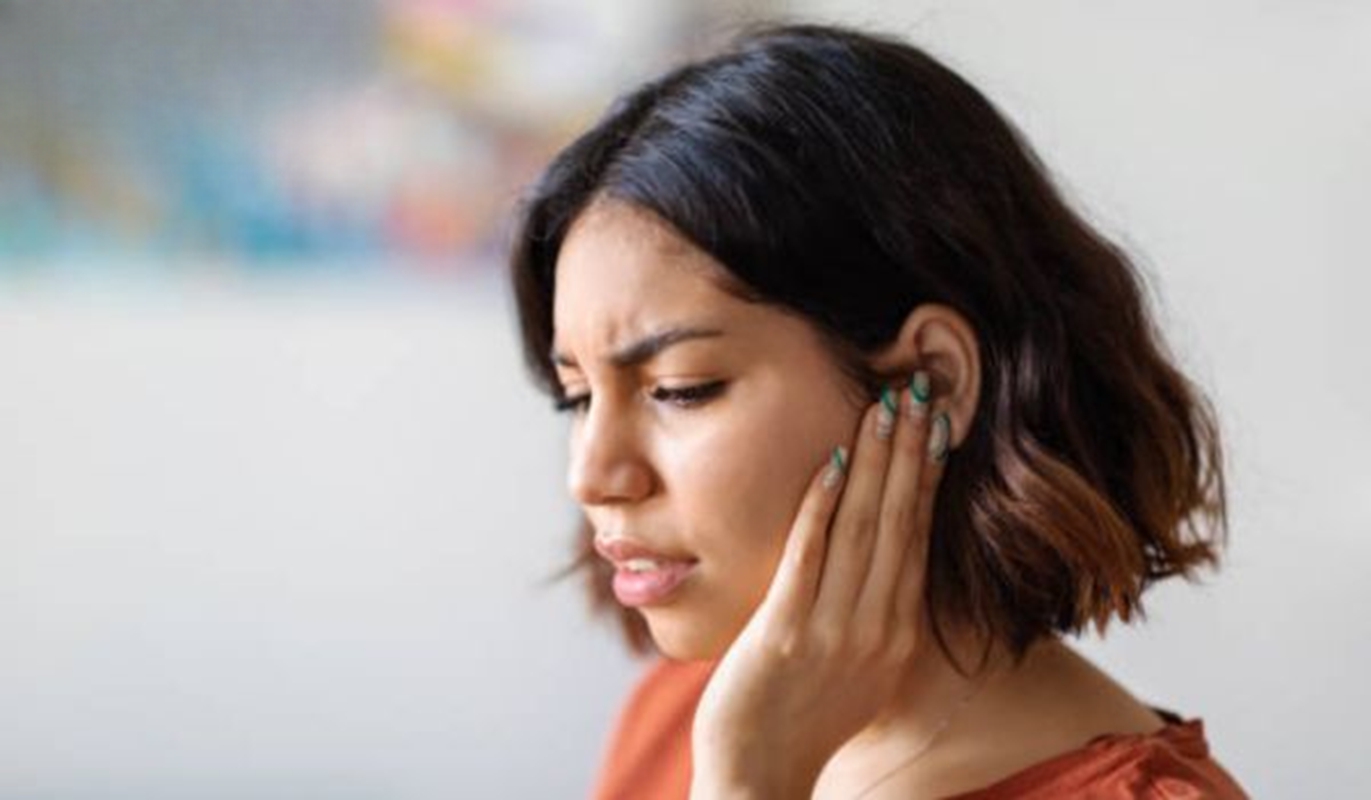
There are several degrees of hearing loss, each with their own symptoms and complexities. Those living with mild hearing loss may occasionally ask others to repeat themselves, whereas those with moderate hearing loss might not be able to hear certain sound frequencies.
However, for people living with severe and profound hearing loss, even loud sounds are difficult to hear. Despite these challenges, there are hearing aids available to people living with severe hearing loss to help them engage with loved ones and the world around them. Read on to learn more about this type of hearing loss and what the best hearing aids for severe hearing loss might be.
Hearing loss is broken down into degrees of hearing loss, which relates to how loud in decibels a sound must be for you to hear it. To be classified as having normal hearing, you must be able to hear sounds between -10 dBHL (Decibel Hearing Level) to 20 dBHL. A person is considered to have moderately severe hearing loss if their decibel hearing loss range is 56-70 dBHL, while severe loss is 71 to 90 dBHL. This means that for someone living with severe hearing loss, most speech is difficult to hear and you may only be able to hear loud noises, such as a lawnmower, vacuum cleaner or passing subway trains without the help of amplification.
Severe hearing loss can be caused by numerous reasons. Causes of severe hearing loss can include:
- repeated ear infections,
- medical conditions like Meniere’s Disease,
- ototoxic medications,
- head trauma
- exposure to loud noises, such as from work or hobbies
- genetic conditions.
Severe hearing may also occur over time and with age. This is known as presbycusis.
The most common and effective severe hearing loss treatment is hearing aids or a cochlear implant. They help amplify sound, bringing voices and everyday noises back to a more normal level. A cochlear implant can provide hearing support. This is a safe and effective treatment method, but it does require surgery to insert the implants into the cochlea.
Once you’ve considered how a hearing aid style can support your severe hearing loss needs, it’s important to think about additional functions and features that can enhance your listening experience. Take these features into account when you’re considering how to choose a hearing aid:
- Bluetooth®: Bluetooth-enabled hearing aids offer the ability to connect your hearing aids to your smartphone or television without a cord or wire, sending sound directly into your hearing aids. This feature provides enhanced sound quality and convenience for everyday activities, such as watching TV, calling a friend or family member, or listening to music.
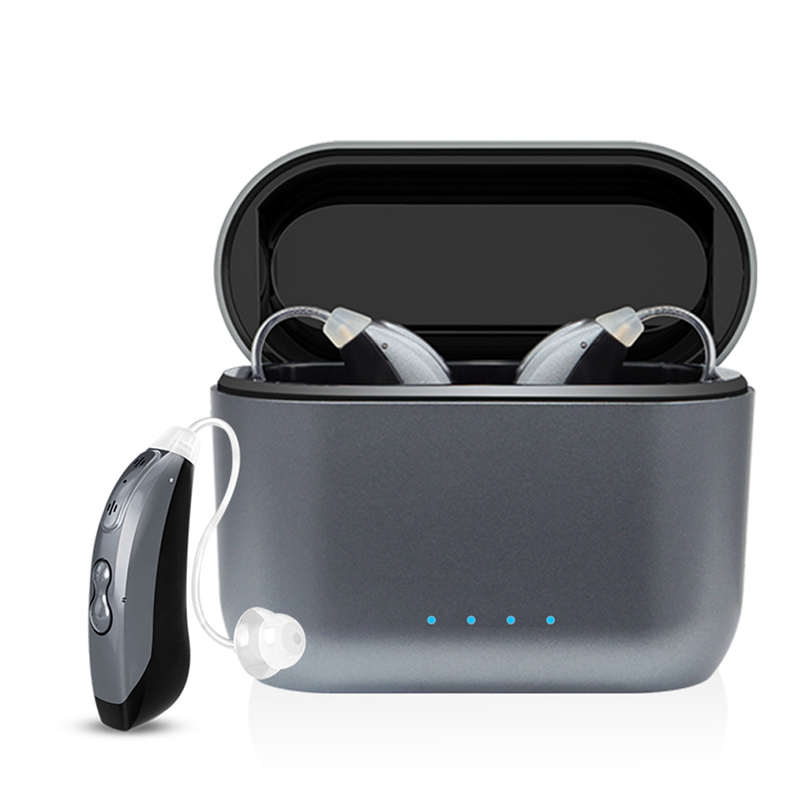
- Rechargeability: Rechargeable hearing aids don’t require disposable batteries; instead, this style of device offers up to 40+ hours of use with a single charge. Chargers are small and portable, allowing you to take them with you wherever you go. This feature is very useful for people who are often on the go and looking for a more convenient option than disposable batteries.
- Tinnitus masking: If you experience tinnitus—the perception of sounds without an external source—you may also want your hearing aids to address that annoying sensation. Many modern hearing aids offer sound therapy, a tinnitus therapy that’s programmed into the device. These treatments help distract you and reduce the perception of tinnitus to train your brain to ignore unwanted buzzing or ringing sounds in your ears.
- Waterproof: Due to their position inside the ear canal, some hearing aids are designed to be water resistant to manage the natural moisture that develops in the ears. However, some hearing aids are designed to be more waterproof, making them a great option for people who are more likely to develop excessive sweat around the face, live in humid/wet environments or participate in water-based hobbies like boating or swimming.
- Noise-canceling: No matter your level of hearing loss, you may find it difficult to focus on individual sounds or voices in noisy environments. All modern hearing aids now offer some level of noise-canceling capabilities to minimize unwanted background noise.
- Feedback suppression: Hearing aid feedback occurs when the microphone picks up sounds already emitted by the microphone and tries to reprocess the sound through the hearing aid again, causing a high pitched whistle or screeching noise. Modern hearing aids are programmed to analyze background noises and feedback sounds to adjust the hearing aids’ sound emission, cutting down on unwanted feedback sounds.
If you’re living with severe hearing loss and are unsure of how to manage your hearing, schedule an appointment with a licensed hearing care professional at your local Miracle-Ear Hearing Aid Center. They will be able to test your hearing, recommend hearing aid options and offer solutions to address your hearing loss and allow you to reconnect to your favorite sounds.
The above is the interpretation of Powerful Solutions: Hearing Aids Designed for Severe Hearing Loss provided by Chinese hearing aid supplier Shenrui Medical. Link https://www.srmcm.com/Blog/Powerful_Solutions_Hearing_Aids_Designed_for_Severe_Hearing_Loss.html of this article is welcome to share and forward. For more hearing aid related information, please visit Blog or take a look at our Hearing aids products