As you begin your hearing loss journey, you’ll find that there are a lot of options for hearing devices. But which is the right option for you?
Alternatives to hearing aids have gained popularity in recent years, but some of these technologies, like Apple® AirPods®, aren’t a replacement for hearing aids. Products like Apple AirPods® are consumer devices that are not meant to hearing loss or regulated by the FDA as a medical device. Learn more about how these personal sounds amplification products (PSAPs) compare to hearing aids before you buy.
The definition of hearing loss is when a person struggles to hear at the same level as a person with normal hearing or at a hearing threshold of 20 decibels or better. About 15% of American adults experience some degree of hearing difficulty. Hearing loss has multiple causes, and some of them might add up simultaneously, including lifestyle, age or medication. Common causes of hearing loss include:
- Noisy environments in which a person has regular exposure to sounds above 85 dB;
- Congenital conditions such as disease or physical deformity;
- Aging, as natural changes occur in the inner ear and auditory nerve;
- Ototoxic medications that can cause damage to the inner ear;
- Obstructions in the ear, such as ear wax buildup or a foreign object.
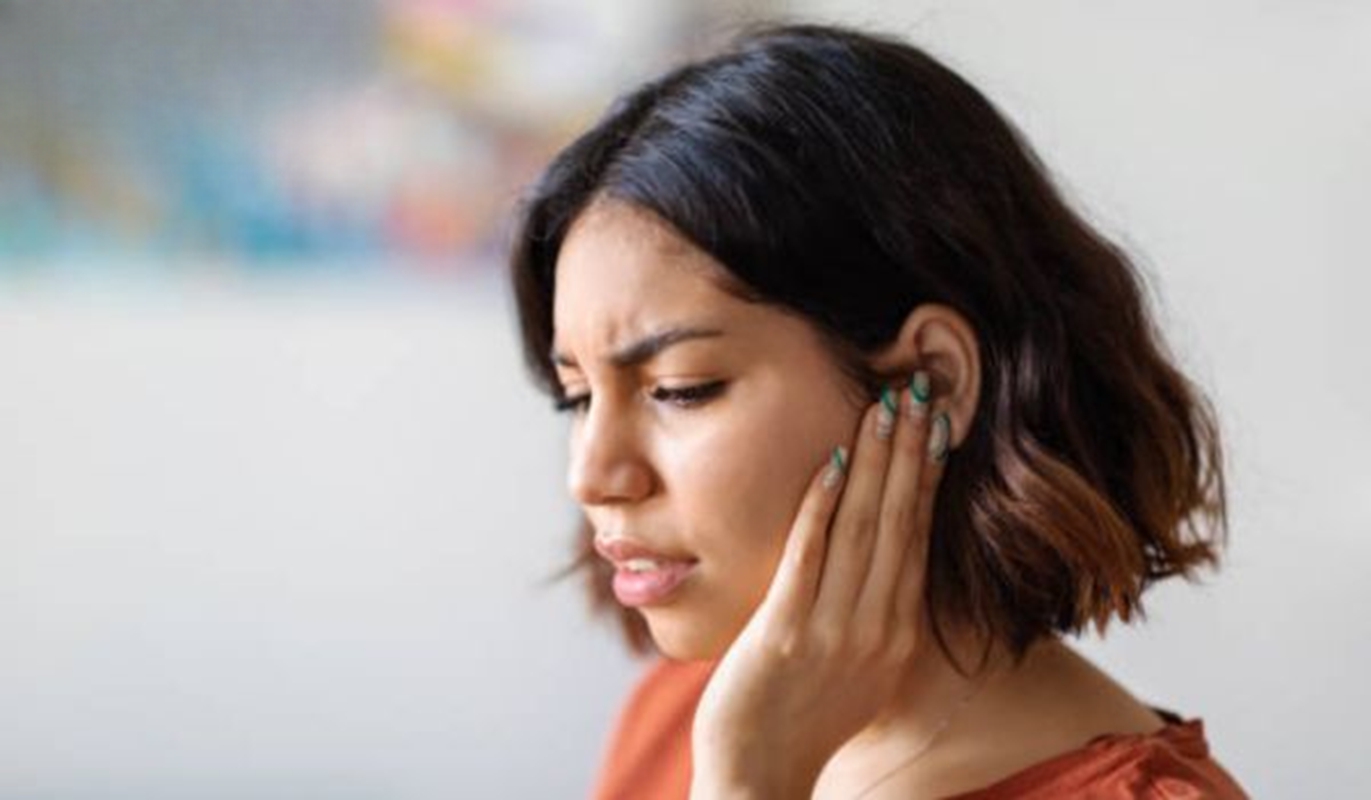
Hearing loss is categorized as mild, moderate, severe, or profound and different levels of severity affect how you hear high-, middle- and low-frequency noises. Common hearing loss symptoms include:
- Turning the volume level up so loud when watching TV that others are bothered
- Struggling to listen to one conversation in crowds
- Experiencing tinnitus or a ringing in your ears
- Regularly ask others to repeat themselves
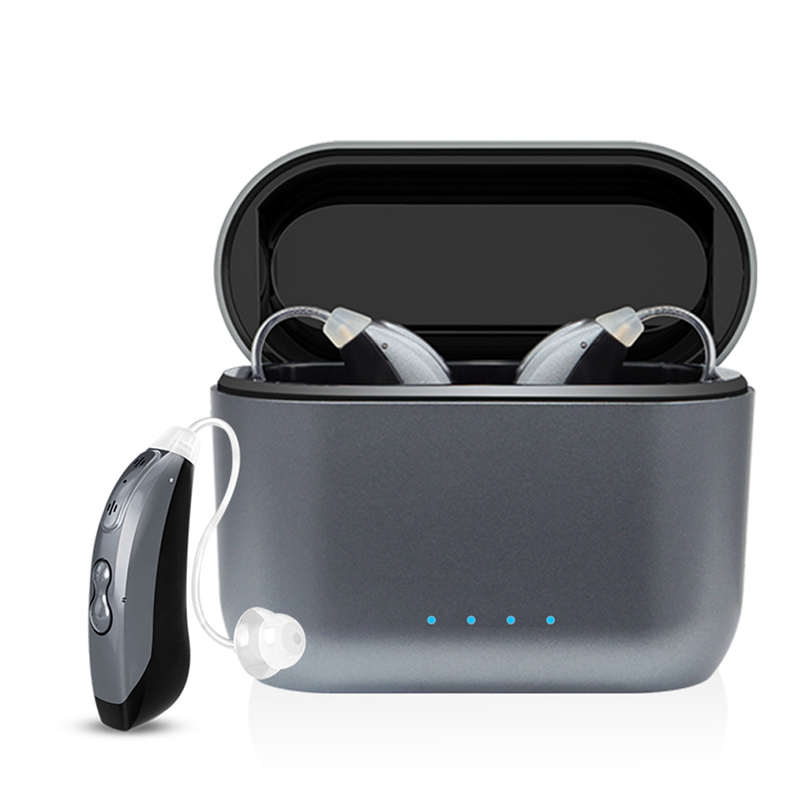
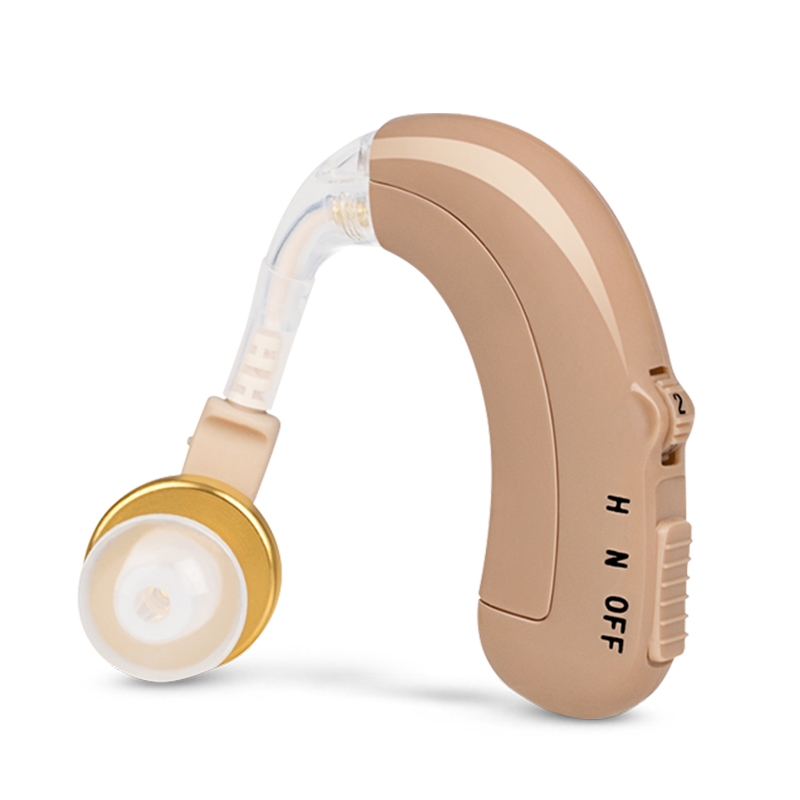
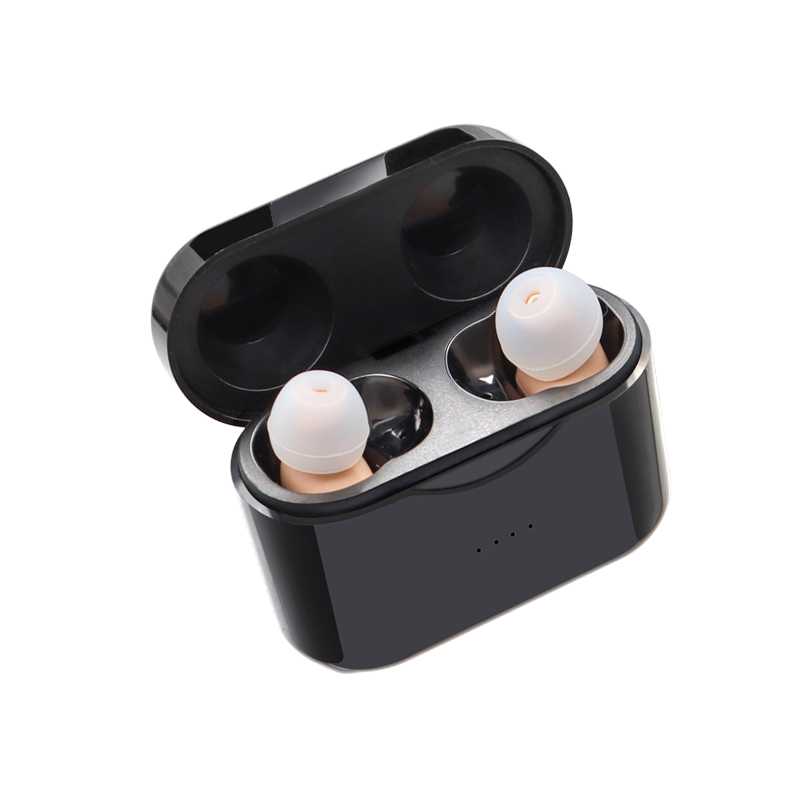
There are three primary types of hearing aids. The kind that’s right for you depends on your lifestyle and the severity of your hearing loss, but all are built with technology designed to provide natural sound and fit comfortably.
- In-the-ear (ITE) hearing aids are small, comfortable and discreet hearing aids that fit inside the ear and are best for people with moderate to severe hearing loss.
- Behind-the-ear (BTE) hearing aids are powerful solutions that are housed behind the ear. They’re best for more severe levels of hearing loss.
- Receiver-in-canal (RIC) hearing aids are discreet hearing aids that sit partially behind the ear and partially in the ear. This type can be used by almost all levels of hearing loss.
If you notice signs of hearing loss, schedule an appointment to test your hearing. Your hearing care provider will be able to determine your level of hearing loss and advise you on choosing a hearing aid.
Despite the technology and features available in today’s hearing aids, some people with hearing loss still feel hesitant to wear them, whether it’s due to feelings of embarrassment or concerns about cost. So, it’s common to be curious about other options.
Recent FDA rule changes have introduced the option of over-the-counter (OTC) hearing aids to the general public, offering access to hearing loss solutions at a lower cost but without the support of a hearing care professional. Tech giants have also joined the conversation about alternative hearing support options, with companies like Apple touting ways to use AirPods as hearing assistance devices.
Specifically, Apple AirPods have a built-in feature called Live Listen® that uses your smartphone as a microphone to send the audio through your smartphone directly into your ears. Users can place their iPhone® or iPad® in front of the person they want to hear, turn on the Live Listen feature and have the voice of the speaker and surrounding sounds amplified while reducing some of the background noise. A display screen on the device provides real-time headphone audio and decibel levels to help monitor for loud noises. By turning on Live Listen, AirPods offer you a quick fix if you’re having difficulty listening in a noisy environment.
While the possibility of using a product you might already own to address your hearing is tempting, it’s important to remember that AirPods are not hearing aids regulated by the FDA. They are consumer electronic products, intended for individuals with normal hearing to enhance sounds in certain environments, such as for listening to music. Consumer electronics are not intended to compensate for hearing loss. Therefore, using AirPods as hearing aid replacements is not recommended. For users needing real, substantive tools to address their condition, AirPods simply do not have the power, functions, or specialized technology to properly manage hearing loss.
For some with hearing loss, using AirPods they already own can seem like an attractive solution to better connect to loved ones. When used in the right settings, these devices’ noise-canceling and audio transparency technology can be effective in helping you hear more clearly. However, AirPods are not regulated medical devices intended to treat individuals with hearing loss. In the context of medical-grade hearing care, AirPods should only be considered as a support tool and only for certain uses. In short, AirPods should not be considered full hearing aid replacements to treat hearing loss.
Choosing which hearing aids are best for you can feel like a daunting process, but the hearing care professionals at Miracle-Ear are here to help. If you notice any early hearing loss symptoms, schedule your free appointment with a professional at your local Miracle-Ear. By catching the signs of hearing loss early, you can take the first steps toward finding a solution that gives you the tools, support and confidence to hear better.
The above is the interpretation of AirPods vs. Hearing Aids: What's the Difference? provided by Chinese hearing aid supplier Shenrui Medical. Link https://www.srmcm.com/Blog/AirPods_vs_Hearing_Aids_What_s_the_Difference.html of this article is welcome to share and forward. For more hearing aid related information, please visit Blog or take a look at our Hearing aids products