How can earbuds work as hearing aids?
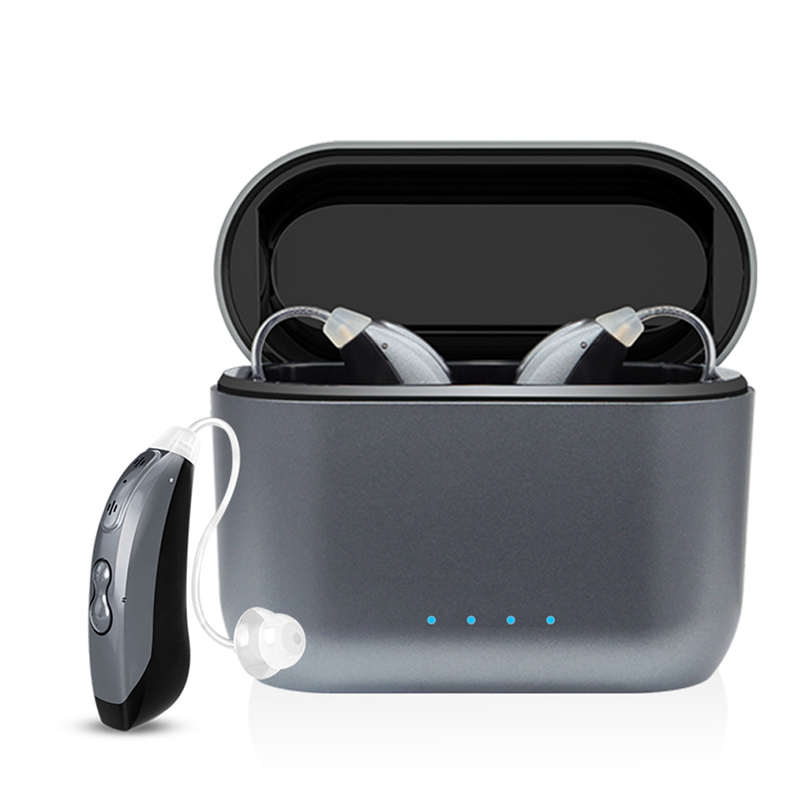
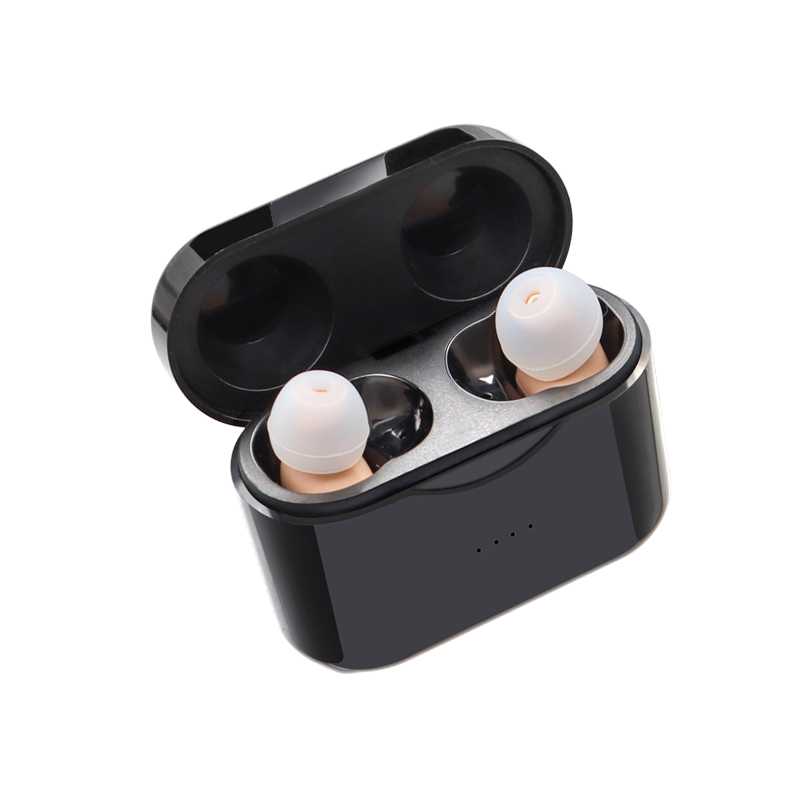
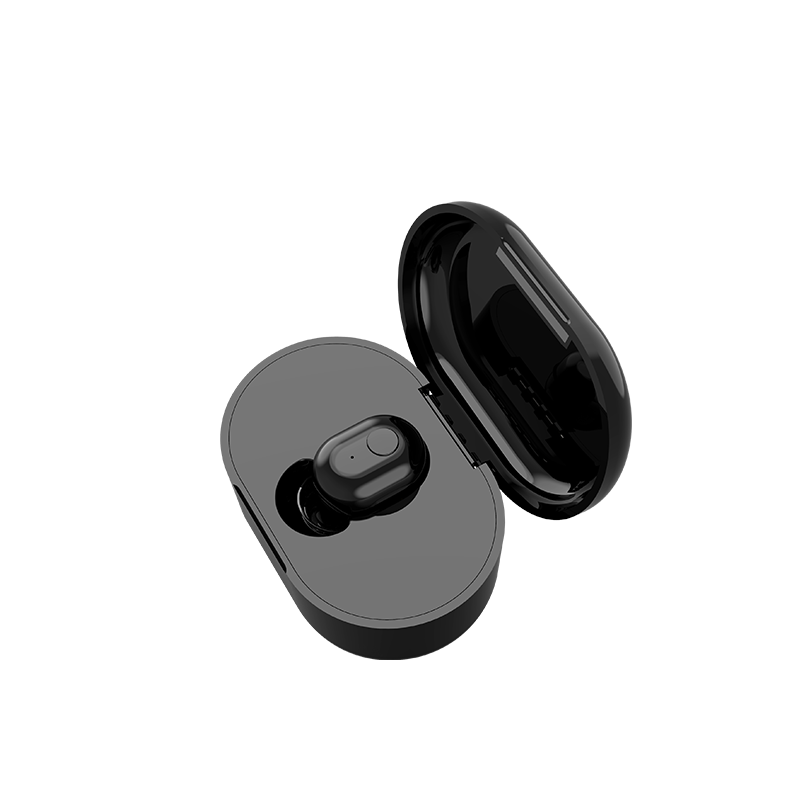
Some wireless earbuds now come with sound amplification settings, which allow users to hear soft sounds more loudly. For instance, AirPods come with a hearing aid feature called Live Listen that allows you to drown out external noise and use your phone as a microphone. The microphone in your smartphone will pick up any surrounding sounds and carry them to the AirPods. Once connected to your phone, the sound amplification settings can be adjusted from an app. This feature of wireless earbuds may be helpful if you are having trouble hearing someone in a noisy setting. Users will often prefer using AirPods or other types of wireless earbuds to help with their hearing because they are less expensive than hearing aids and are more discreet.
Earbuds and over-the-counter (OTC) hearing aids
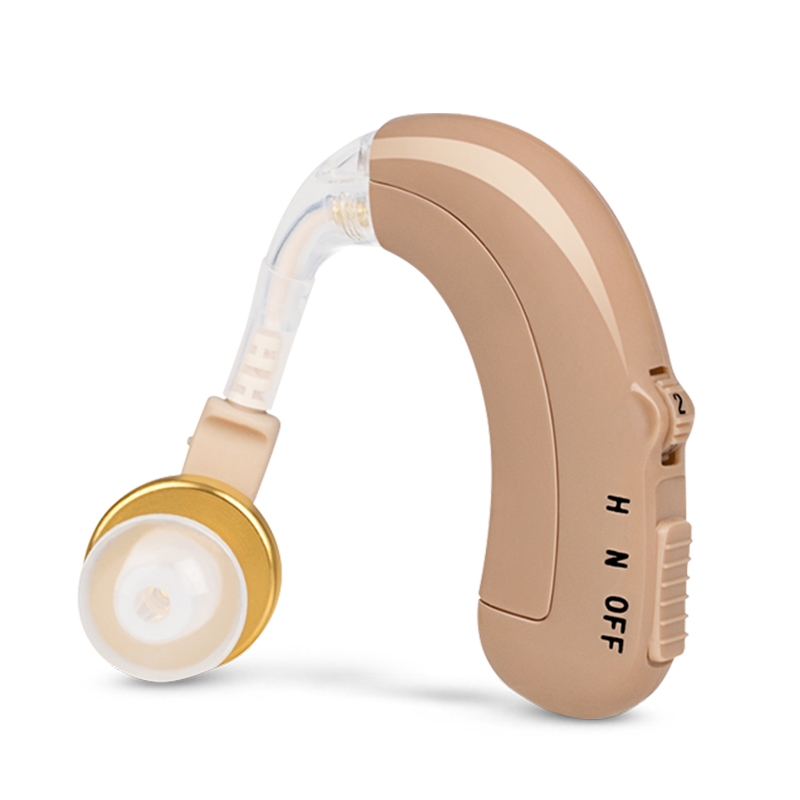
Starting in October 2022, FDA-approved over-the-counter (OTC) hearing aids will be available in the United States. While some types of earbuds are marketed as hearing aid products, they are not legally considered to be hearing aids. OTC hearing aids are medical devices that work to help people hear, while popular products like AirPods are not currently qualified as medical hearing devices. However, there is still more to be learned about what can be classified as an OTC hearing aid. Some headphone companies were able to market their products as hearing aids depending on certain state laws, and the recent ruling on OTC hearing aids may enable them to secure an FDA-approval.
The downsides of using earbuds as hearing aids
While using your earbuds to help with your hearing may seem convenient, especially if you already own a pair, there are a few downsides to using earbuds as hearing aids. There are a few reasons why earbuds are not always the best option for treating hearing loss:
1. Earbuds are not FDA-approved
Earbuds fall under the category of PSAPs, or personal sound amplification products. Unlike hearing aids, the use of PSAPs are not approved by the FDA. According to FDA guidelines, PSAPs are not intended to compensate for hearing impairment and should only be used to accentuate sounds in specific listening environments for people without hearing disorders.
2. Earbuds cannot help with more severe cases of hearing loss
While earbuds may be able to help those with mild hearing loss, they cannot amplify sound enough to help those with more severe cases of hearing loss. If your hearing loss is moderate to severe, earbuds may not work as well for you.
3. Wearing earbuds can give off the wrong impression
You may be using your earbuds to hear better, but that might not be what others think. Wearing earbuds can often imply that you don’t want to be bothered. Even though you are using your earbuds to hear what people are saying, others may initially believe that you want to be left alone or are listening to music and cannot hear anything else.
4. Earbuds can potentially damage your ears
Earbuds deliver sound straight to the ear canal and can damage your ears if the volume gets too loud. They can also push earwax further into your ears and block your hearing, which may cause you to turn up the volume even more.
5. Earbuds are one-size-fits-all
In order for hearing aids to work best, they should be customized to fit your unique hearing needs and ear shape. Earbuds typically only come in one size, so they won't fit your ears perfectly like you might like. Plus, earbuds can become quite uncomfortable after wearing them for several hours, and their battery does not last all day.
Getting hearing aids
While newer earbuds may have the ability to amplify sounds and help hearing, hearing aids are the best and most proven devices for treating hearing loss. Book an appointment with a Miracle-Ear hearing specialist to get assistance with choosing a hearing aid that works best for your needs. You can choose between a variety of types and styles of hearing aids so you can get exactly what you're looking for.
The above is the interpretation of Earbuds for Hearing Loss: A Dangerous Misconception provided by Chinese hearing aid supplier Shenrui Medical. Link https://www.srmcm.com/Blog/Earbuds_for_Hearing_Loss_A_Dangerous_Misconception.html of this article is welcome to share and forward. For more hearing aid related information, please visit Blog or take a look at our Hearing aids products