What is ear wax?
Medically referred to as cerumen (pronounced seh-ROO-men), ear wax is a normal, naturally occurring substance secreted in the ear canal—the gateway between your outer and inner ear. Ear wax is made up of secretions from the sebaceous and sweat glands, as well as sloughed off skin cells from the ear. Ear wax usually picks up a few more microscopic friends, such as hair, dirt and other tiny debris as it slowly migrates to the outer ear. The waxy mixture then naturally makes the outward journey, usually nudged along by talking, chewing and other jaw motions.
What is earwax buildup? Symptoms and causes
Earwax buildup (also called cerumen impaction) happens when too much earwax accumulates in the ear canal and doesn’t clear out naturally. Normally, earwax protects the ear by trapping dust, dirt, and microbes while keeping the canal lubricated. In most people, it works its way out on its own. But if the process is disrupted—or if production is excessive, wax can harden and block the canal. This is what leads to discomfort or hearing problems.
Symptoms of Earwax Buildup
When earwax becomes impacted, you might notice:
- Muffled hearing or temporary hearing loss (conductive hearing loss)
- Fullness or pressure in the ear
- Ringing or buzzing (tinnitus)
- Earache or discomfort
- Dizziness or balance issues (in some cases)
- Itching or drainage from the ear canal
- Coughing (rarely, due to stimulation of the ear’s vagus nerve)
Not everyone experiences all these symptoms—sometimes, the only sign is a gradual reduction in hearing clarity. Your primary care physician can examine your ears to confirm if you have earwax buildup.
Causes of Earwax Buildup
Several factors can contribute to excessive wax or impaction:
- Natural overproduction – Some people simply produce more wax than average.
- Ear canal shape – Narrow or unusually curved ear canals make natural clearance harder.
- Use of hearing aids, earbuds, or earplugs – These can block wax from exiting and push it deeper.
- Cotton swabs or objects in the ear – Instead of cleaning, they often push wax further inside.
- Ageing – Earwax becomes drier and harder with age, making buildup more likely.
- Skin conditions or infections – Conditions like eczema or swimmer’s ear can increase debris in the canal.
Earwax buildup: treatments, diagnosis, complications
Doctors can usually identify impacted earwax quite easily. During your appointment, they’ll ask about your medical history and may perform a brief hearing assessment. Using a small lighted tool called an otoscope, your provider can look directly into the ear canal and confirm whether wax is blocking the passage.
In some cases, people are diagnosed with impacted earwax even if they don’t have any symptoms. For example, if you’re having an ear exam for another reason and the doctor notices a buildup so significant that it prevents a clear view of the eardrum, the diagnosis is made.
How Is Impacted Earwax Treated?
Treatment depends on several factors, including your age, overall health, the severity of the blockage, and whether you’re experiencing symptoms.
- If you do have symptoms—like hearing loss, pressure, or discomfort—your healthcare provider will typically recommend treatment.
- If you don’t have symptoms, treatment may not be necessary, unless an ear exam is required for other reasons.
In many cases, small amounts of earwax will eventually clear on its own. However, when intervention is needed, doctors may use one or a combination of these methods:
- Ear drops to soften and gradually break down the wax
- Gentle irrigation of the ear canal with warm water
- Manual removal using specialized instruments in the clinic
Your provider will choose the safest option based on your health profile. Importantly, home remedies like ear candling or vacuum kits are not recommended, as studies show they are ineffective and may be harmful.
Possible Complications
Impacted earwax itself is usually harmless, but sometimes the treatments used to clear it can lead to side effects. These may include:
- Earache or discomfort
- Temporary hearing loss
- Dizziness or vertigo
- Ringing in the ears (tinnitus)
- Retained water in the canal (which can trigger infections such as swimmer’s ear)
- Minor bleeding
- Rarely, a perforated eardrum
The likelihood of complications varies depending on the removal method and any underlying health conditions. For example, people with diabetes are more prone to ear infections after treatment.
If you are experiencing any of the symptoms above after an earwax removal procedure, contact your doctor.
Can ear wax affect hearing?
If there is too much ear wax buildup, it can block the ear canal acting as a sonic barricade that prevent sound waves from passing from the outer ear to the inner ear.
This is a type of conductive hearing loss—the term for hearing loss caused by issues with the ear canal, ear drum or middle ear. Sound waves need to travel through the ear canal in order to be converted into electrical signals that are processed by the brain. When those sound waves can’t travel—or be conducted—through the canal, it results in a hearing loss.
Ear canal blockage from wax is actually one of the leading causes of conductive hearing loss, which can make softer sounds more difficult to hear, and make louder sounds seem muffled.
Why Earwax Is Included
Earwax (cerumen) is one of the most common causes of conductive hearing loss. Normally, earwax protects the ear canal by trapping dust and preventing infections. But when it builds up excessively and becomes impacted, it can:
- Physically block the ear canal, preventing sound waves from reaching the eardrum.
- Cause a sensation of fullness, muffling, or even complete loss of hearing in the affected ear.
Because the issue is mechanical, a blockage in the outer ear, earwax-related hearing loss falls into the conductive category. Once the wax is removed safely, hearing usually returns to normal.
How do hearing aids and ear wax work together?
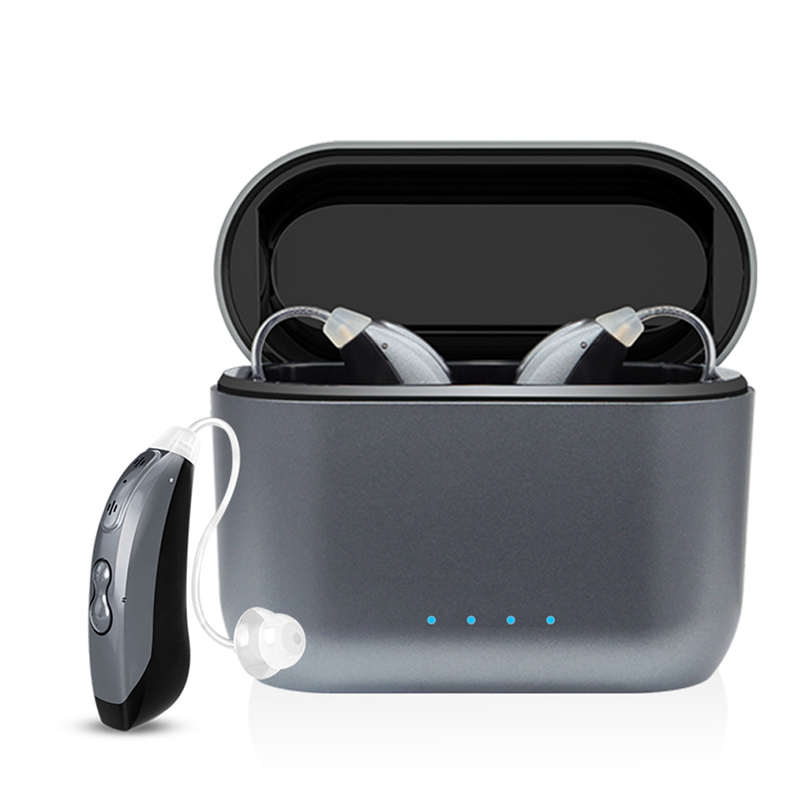
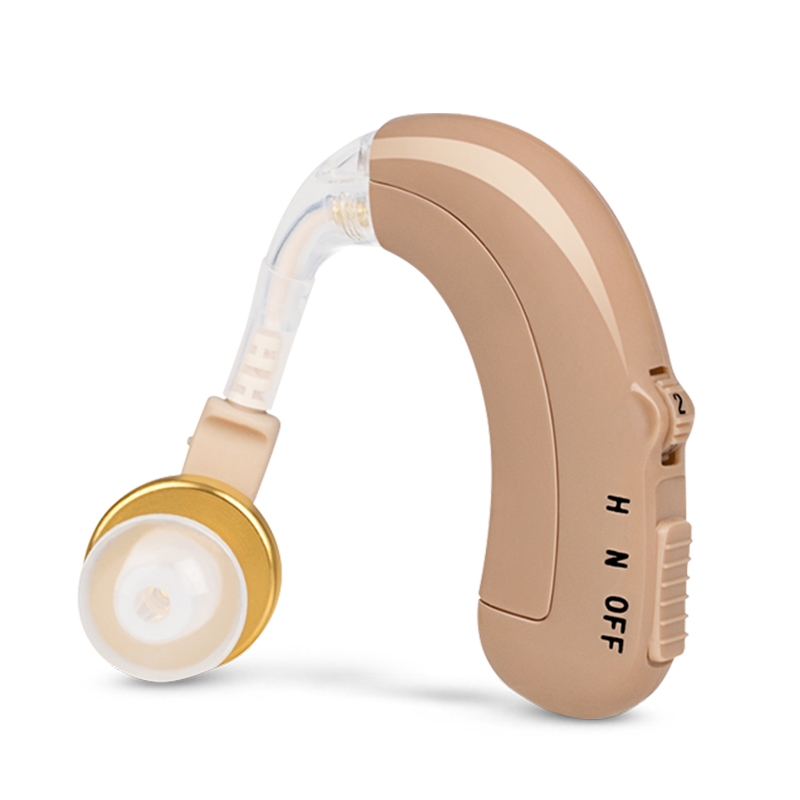
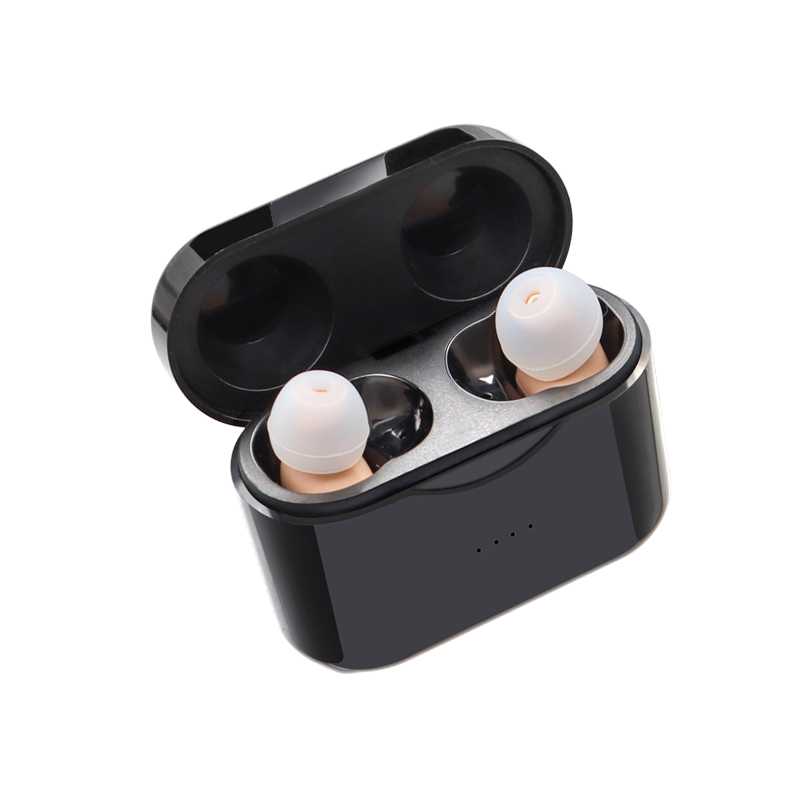
Hearing aids that rest in the ear can block the natural journey ear wax must take to exit the ear. This ear blockage can actually stimulate the ear canal glands to produce more wax, and some hearing aid wearers report having more ear wax after getting hearing aids.
If you wear hearing aids, it’s important to keep on top of ear wax, as it can block your ears, as well as the receiver and other parts of your devices. The acidic nature of ear wax can also damage hearing aids' delicate electrical components. In fact, ear wax buildup is one of the most common reasons for hearing aid repairs.
How can I safely clean my ears at home?
Most of the time, ear wax doesn’t need to be removed—our bodies will naturally produce and expel it. However, if you feel like you have waxy ears or have symptoms of buildup or impacted ear wax (such as earache, itching, tinnitus or a feeling of fullness in the ear), it’s worth getting evaluated by your doctor.
You can also try a few home treatments to remove ear wax. Note: Even if you look up how to clean your ears at home you should consult your doctor or hearing care professional before actually doing it.
A few important tips on how to safely clean ears:
Never insert anything into the ear canal, including cotton swabs. Doing so can push the ear wax further into the canal, causing blockage and/or damaging the eardrum.
Do not use irrigation kits if you have diabetes, a weakened immune system, ear tubes or a hole in the ear drum. If water gets into the middle ear, it can cause a serious infection.


Now that you’ve learned about ear wax causing hearing loss, are you ready for more hearing health information? Learn how to clean your hearing aids and find out the details on hearing aid maintenance to keep your hearing at its best.
 Is earwax affecting your hearing? Get checked now
Book an appointment
Earwax blockage prevention
Some people are more prone to earwax buildup due to skin conditions like eczema or naturally narrow ear canals, making prevention difficult. You may be more likely to develop earwax buildup if you have certain health conditions, such as eczema, that contribute to excess wax production. The risk also rises if you regularly place objects in your ear, like hearing aids or earplugs. In addition, older adults and individuals with cognitive impairments are at a higher risk of experiencing impacted earwax.
Still, there are steps that can reduce the risk of recurrent impaction:
- Use earwax-softening drops occasionally, as advised by your doctor
- Schedule routine ear cleaning every 6–12 months if you’re prone to buildup
- Avoid inserting cotton swabs or objects into your ears, since these usually push wax deeper