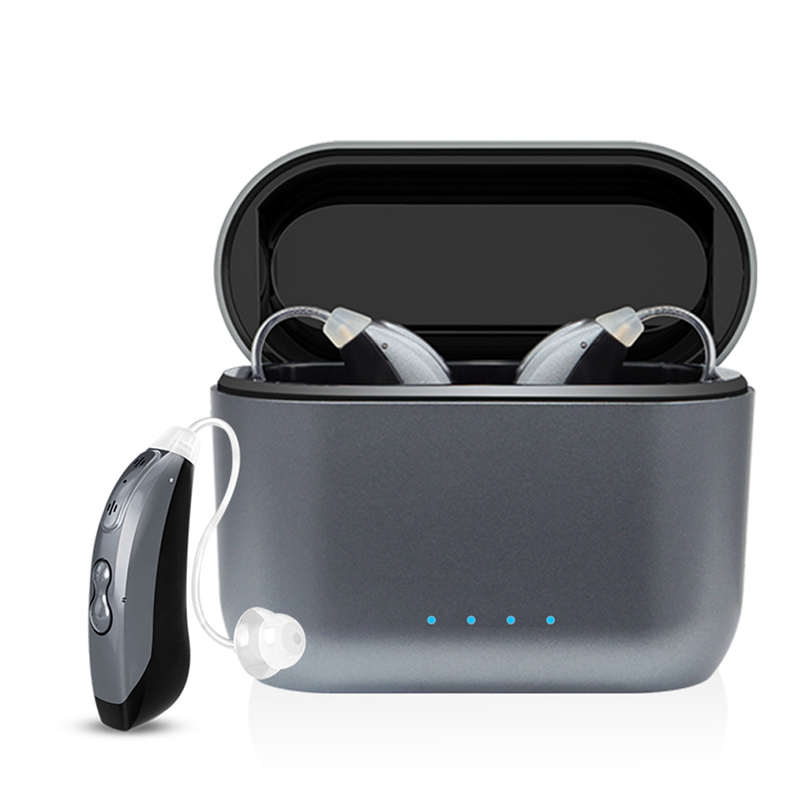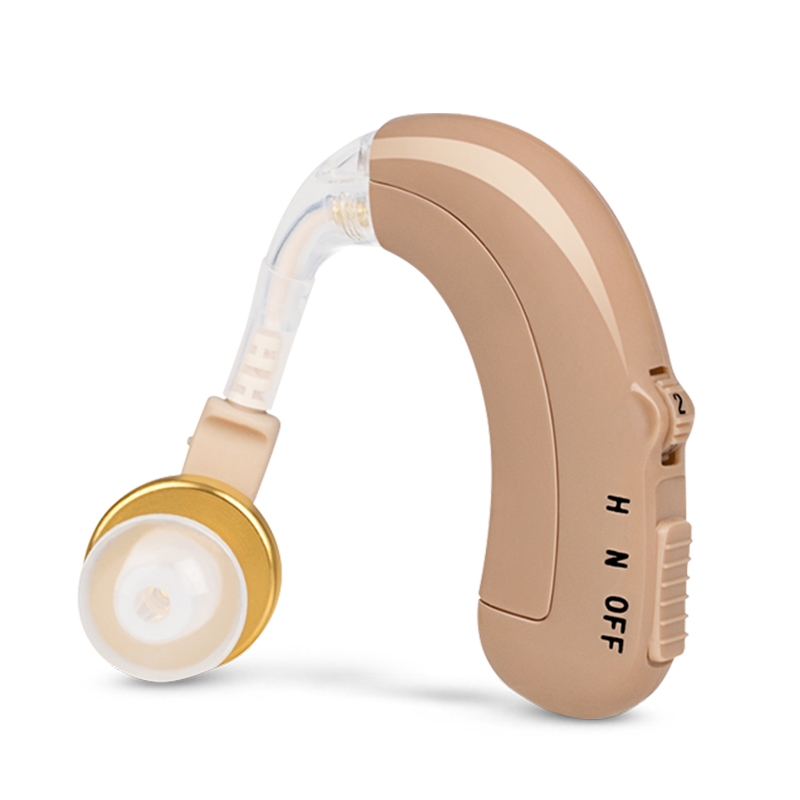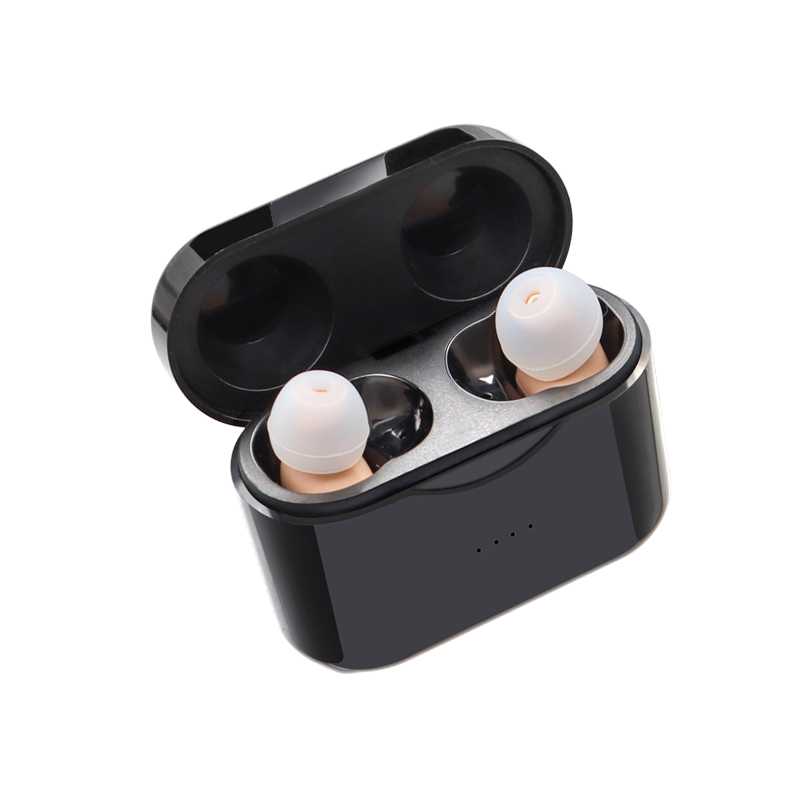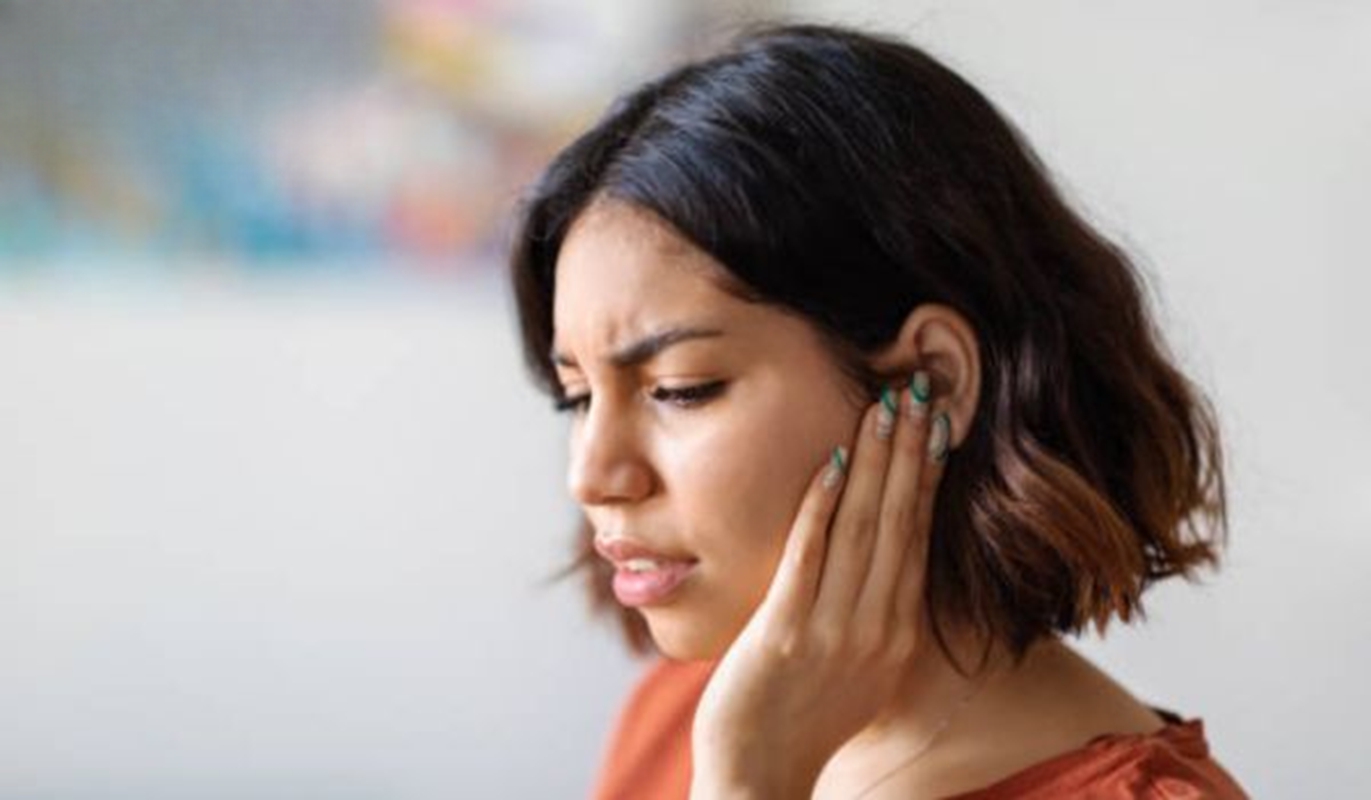
Even though it’s rare, hearing aids can have some side effects, including allergic reactions and ear infections. Learn how these conditions can develop and how to correct hearing aid usage can protect your ears from irritation.
Ear infections and allergies affect people of all ages—and while they have different underlying causes, both are extremely common. Both ear infections and allergies often link to external factors that affect the body’s ability to function normally, including seasonal effects, skin irritants, food allergies or other ailments.
For hearing aid wearers, ear infections and allergic reactions can result from wearing their devices. Whether because of sensitive skin or improper usage, infections and allergies from hearing aids present challenges to your hearing health. Let’s explore how to treat and prevent these uncomfortable side effects.
When your hearing aids sit in your ears all day, this can create an environment primed for bacterial growth. But that doesn’t mean you’re automatically at risk for negative side effects. Irritation and infection generally occur when wearing hearing aids without proper cleaning. Not only do improperly cleaned devices accumulate harmful bacteria that can turn into fungal infections, but moisture trapped by the earmolds of the hearing aids can cause the eustachian tubes to swell and trigger an ear infection. In short, hearing aids and ear infections aren’t necessarily caused by one another, but constantly wearing the devices without correctly cleaning them can increase your likelihood of experiencing ear conditions.
To prevent ear ailments, it’s crucial to talk to your hearing care professional (HCP) about your hearing aids and bring up any sensitivities you have to certain materials and your history of ear infections if you get them frequently. Miracle-Ear products are made from high-quality materials and designed to reduce the likelihood of issues. Should allergy or infection problems arise, your HCP will work with you to find a solution.
Regardless of the type of infection you’re experiencing, they can be painful, and you might experience some slight, temporary hearing loss due to fluid in the ear passages. Mild, short-term hearing loss is a common side effect of an ear infection and usually improves as the infection clears. However, if the infection becomes severe, more permanent damage might happen to the inner ear structures, resulting in permanent hearing degradation. If you experience an allergic reaction, keep your ears dry and clean, remove any excess wax and remove any earplugs, earrings and hearing aids until the reaction subsides.
Allergies to hearing aids are very rare but not impossible. They might occur if improper fit or cleaning causes fluid or wax buildup in your ears, if you have an allergy to the device materials, or you have very sensitive skin. In some cases, hearing aids can trigger dermatitis, but they might also aggravate dermatitis caused by soaps, creams or other topical treatments. However, if your device is fitted, maintained and worn properly, the possibility of skin irritation and allergic reactions is minimal.
If you experience an allergic reaction you think could be linked to your hearing aids, remove them immediately and consult your doctor. After you get a diagnosis, a Miracle-Ear hearing care professional will work with you to find a new solution that prevents further allergic reactions.
Ear infections can be painful, annoying experiences, but there are ways to minimize your risk of getting them. When it comes to your hearing aid-linked infections, the best way to avoid them is to properly clean your devices. Establishing a consistent, daily cleaning routine is necessary to ensure that your hearing aids function at their best and keep your ears healthy.
A great place to start is establishing a nighttime cleaning routine after you’ve worn your hearing aids all day. Use a soft, dry cloth to wipe off any debris from your hearing aids and allow them to air dry overnight. Continue building your hearing aid maintenance routine by incorporating these tips:
- Keep your hands dry any time you’re handling your hearing aids to prevent grease and dirt on your hands from clogging up the device’s delicate technology.
- Clean on a soft surface to protect your hearing aids should they be dropped.
- Do not use liquids such as water, cleaning solutions or alcohol, as moisture can damage your hearing aids.
- Use hearing aid tools such as wax picks and bulb blowers to carefully remove excess wax and moisture from blocked microphones and sound ports.
- Leave the battery door open on your hearing aids (if your device uses disposable batteries) to prevent moisture buildup.
- Dry out your devices by placing them in a dry dehumidifier container or a cool, dry place overnight or when not in use.
Cleaning routines will look slightly different depending on the style of hearing aids you have, but by establishing regular, thorough cleaning habits, you can decrease your risk of infections.
If you’re wondering if you can wear hearing aids with an ear infection, it is generally not recommended. Not only can wearing your devices aggravate the already sensitized skin inside your ear, but they can also prevent your ear from getting the proper ventilation it needs to heal the infection. Additionally, regular movement of hearing aids in the ear can push harmful bacteria further into the ear or allow it to grow. Consult your doctor about how to handle your hearing care during the situation and how long your ears might need to recover from the infection.
The above is the interpretation of Understanding and Preventing Hearing Aid-Related Irritations provided by Chinese hearing aid supplier Shenrui Medical. Link https://www.srmcm.com/Blog/Understanding_and_Preventing_Hearing_Aid-Related_Irritations.html of this article is welcome to share and forward. For more hearing aid related information, please visit Blog or take a look at our Hearing aids products