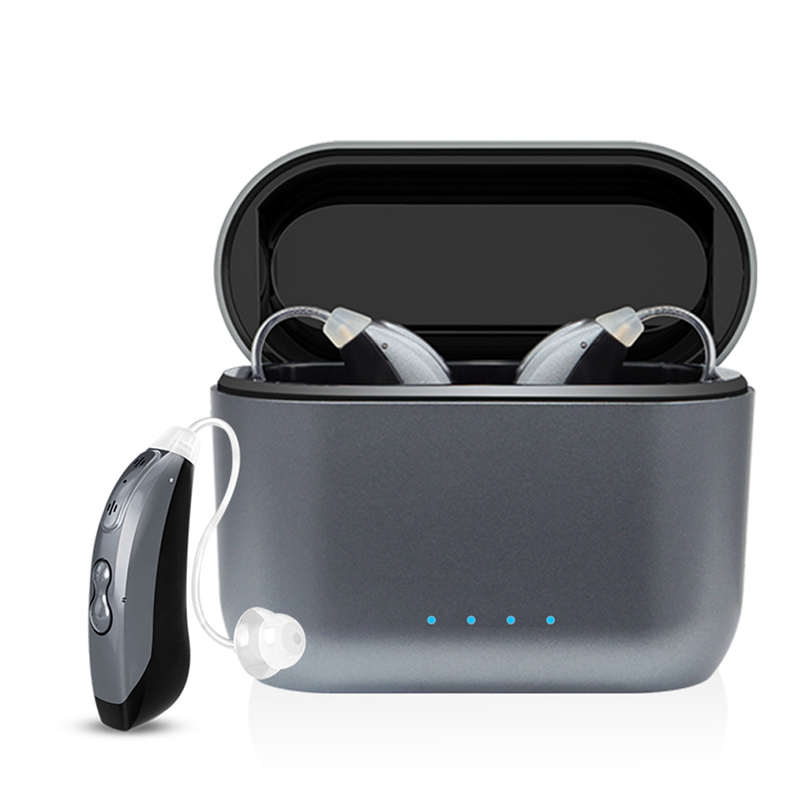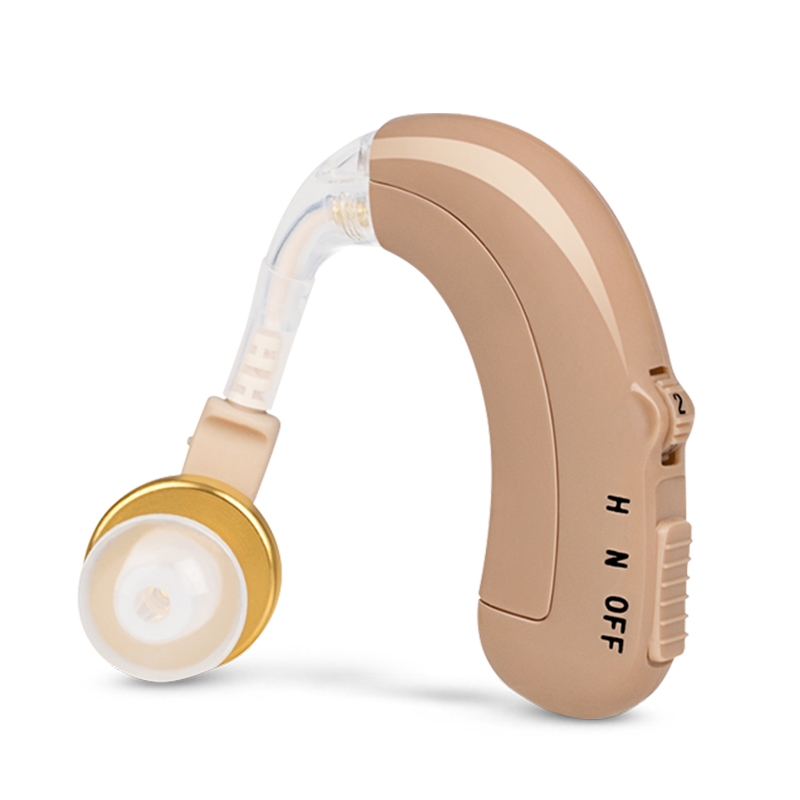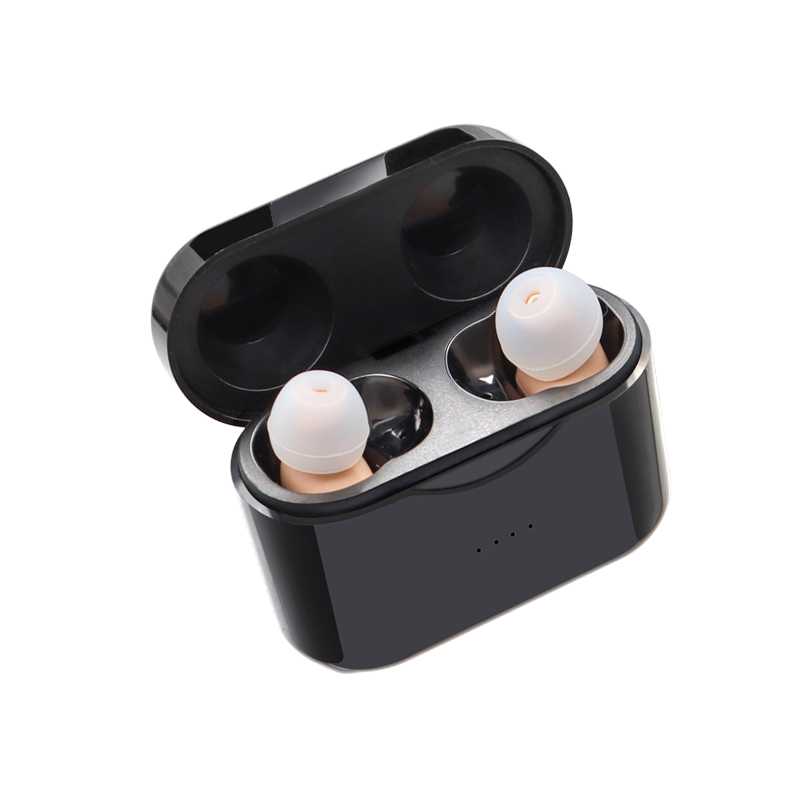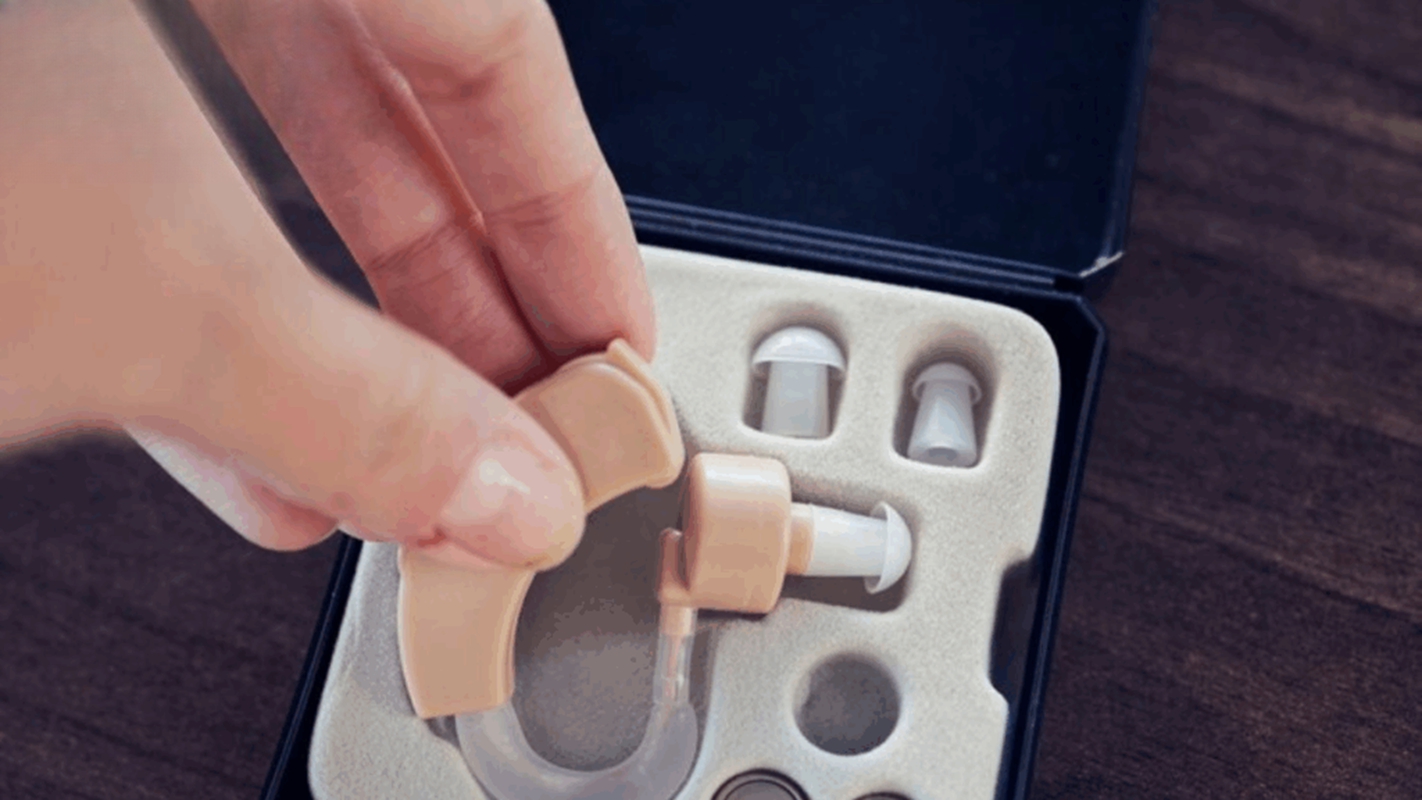
Wearing hearing aids enables individuals to feel included in interactions with loved ones and in various circumstances. Like any object with everyday use, hearing aids are not immune to experiencing issues from time to time. If you learn a few general rules of hearing aid repair tips, you will be able to fix small problems within a short time, prevent the hearing aid from being damaged and enhance its efficiency daily.
If your hearing aid is not working or is not producing sound properly, the answer may be easy. Information on maintaining the cleanliness of the device, battery disposal, and when and where to get professional help is provided here.
Understanding Common Hearing Aid Problems
The first part of trying to troubleshoot your hearing aid is to understand what’s possible to go wrong. Ultimately, it is best to take your hearing aids to an audiologist, but many situations are common and have relatively simple solutions.
Common situations with hearing aids include:
- No sound, or very little sound, from the hearing aid
- Feedback/whistling noises
- The hearing aid shuts off by itself with no warning
- The battery is not working well
- The microphone or tubing is clogged
- The device is physically damaged
Also read: Hearing aid problems – If you want to know more about the causes and fixes for common hearing aid issues.
Quick Fixes You Can Do at Home
It’s possible to address numerous minor problems at home, and you do not need to go to a clinic for help. You might be able to get your hearing aid back in working order with the following resources.
You can try:
- Check that the battery is new and is in the device properly.
- Gently clean the microphone and speaker with a soft brush or cloth (like a lens cloth).
- Your earmold and tubing are clean, so remove wax or dirt.
- Try restarting or resetting the digital hearing aids if you’re using them.
- Make sure you adjust the battery if it seems loose in its slot.
Also read: Best hearing aid batteries – If you want to know how to choose the right batteries to avoid power-related issues.
When to See a Professional
Sometimes, it is not possible to fix a hearing aid problem at home, and a professional technician or audiologist will be required to examine the device. You should see a professional when:
- Your device is cracked or broken
- Your device will not turn on even though you have replaced the battery
- You continue to hear distortion or static
- The controls, buttons, or volume do not work
Also read: Signia hearing aid problems – If you want to know more about the specific repair needs of Signia hearing aids.
Preventive Hearing Aid Care and Maintenance
One of the best things to do to avoid the most common problems with hearing aids and to keep your device working well forever is to practice good hearing aid care and maintenance. Keeping a routine ensures that the parts get clean, the sounds clear, and repairs are avoided quite often.
Some daily habits include:
- Wipe the device with a dry, clean cloth
- Take out the battery in the evening to prevent moisture accumulation
- Keep the hearing aid in a dry box or a protective case
Weekly maintenance routine:
- Clean the tubing and earmold
- Dust off the wax with a soft brush
- Check for damages and loose parts
Hearing Aid Problem and Repair Reference Table
Hearing Aid Issue | Try This First | When to Get Help |
Low or weak sound | Clean the speaker and change the battery | Still low after cleaning |
No sound at all | Insert a new battery and reset | Device stays off |
Whistling or feedback | Check fit and remove wax | Noise continues |
The battery dies quickly | Try a better quality battery | Still drains fast |
Physical damage | None | Needs professional repair |
How to Extend Battery Life
It’s important to care for batteries that power your hearing aids – when your batteries are fresh and powered up, your devices work better and longer. Some high-end models included in the top 10 hearing aids in India are built to provide improved battery efficiency and longer battery life.
- Ways to help your battery last longer:
- Store batteries in a cool, dry place
- Remove batteries when not using the device
- Use the size and brand as recommended for your Model
- Do not use expired or damaged batteries
When to Replace Your Hearing Aid Instead of Repairing It
If your hearing device has been repaired too many times and still does not function effectively, maybe it is time to buy a new one.
Replacement should be considered if:
- The same problems keep presenting themselves over and over
- The hearing aid is more than five years old
- The model is obsolete, and parts are no longer available
- It does not work well with new features or mobile apps
Also read: Top 10 hearing aids in India. If you are looking to upgrade, this list can help you compare the best models available and choose one that fits your lifestyle and budget.
Conclusion
Maintaining the hearing aid is made easier by following the right procedures captured below: The following are some of the hearing aid repair tips that may prevent possible hearing aid issues and correct simple problems in their early stages. Keep your device clean, check the batteries and also make other general checks to ensure that every part is functioning properly.
And if things are looking very grim to handle back at home, then do not wait, avail yourself a professional help. As you see, a hearing aid requires great care, which is why you can use it for many years in clear condition.