Hearing loss affects not only your ears but also the way your brain functions. Do hearing aids improve brain function? This is a question that many people have. The short answer is yes. In addition to improving your hearing, hearing aids support the health, activity, and sharpness of your brain. Your brain must work harder to interpret sounds when you can’t hear well, which can cause mental exhaustion, memory issues, and even an increased risk of cognitive decline.
The Impact of Hearing Loss on the Brain
The brain has trouble processing sound when a person has hearing loss. This may eventually result in modifications to the structure and function of the brain.
Here’s how:
- Cognitive Load Increases: Your brain expends more energy attempting to comprehend what others are saying.
- Decreased Stimulation: The brain regions responsible for processing language and sound may contract or become less active.
- Social Withdrawal: Isolation brought on by hearing problems can further reduce mental stimulation.
Understanding the Psychological Effects
A person who has hearing loss may experience feelings of insecurity and loneliness.
It may also result in:
- Loss of autonomy
- Low self-worth
- Fear of being excluded or missing out
If left untreated, these emotional shifts can gradually accumulate and result in more severe mental health issues.
How Untreated Hearing Loss Worsens Mental Health
Ignoring hearing loss can eventually make it worse. Ignoring the symptoms of hearing loss can lead to serious mental health issues over time.
Individuals might:
- Steer clear of public events and family get-togethers.
- Have trouble performing at work
- Feel frustrated and misunderstood.
Many people wait too long to get help because they don’t know what level of hearing loss needs treatment. Early testing and action are important.
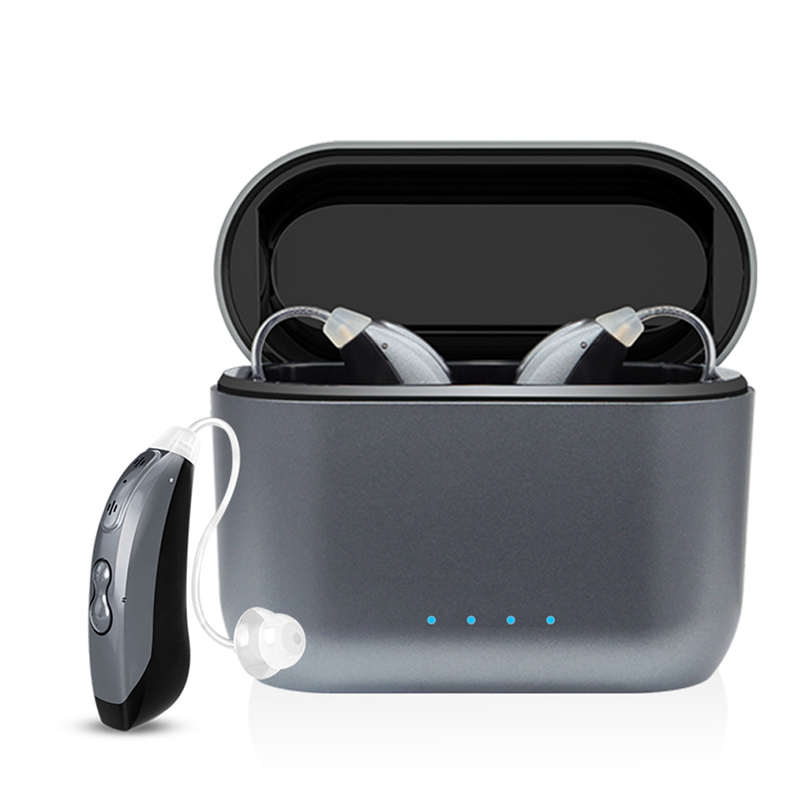
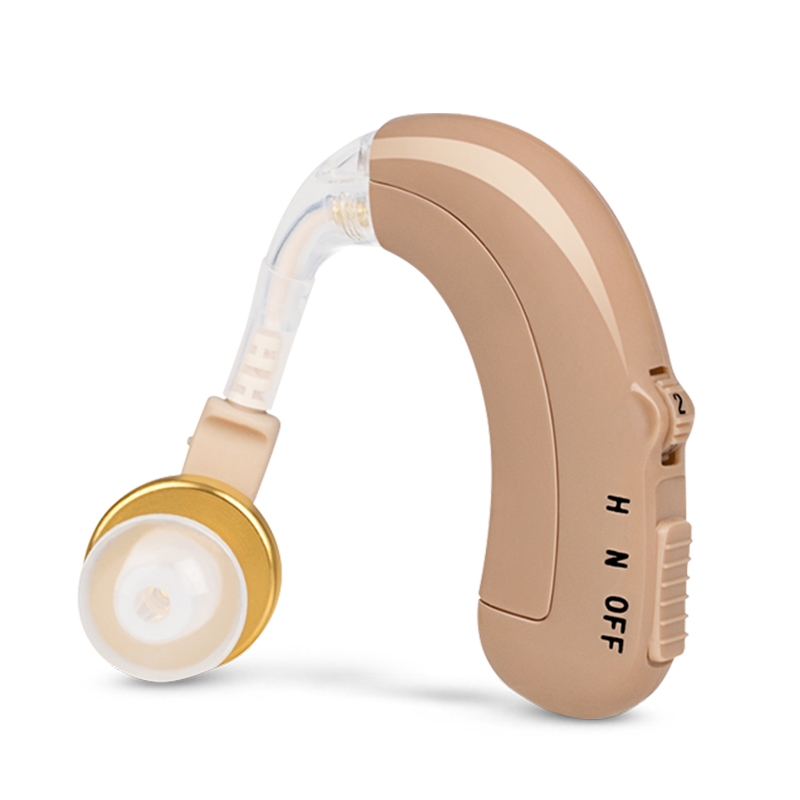
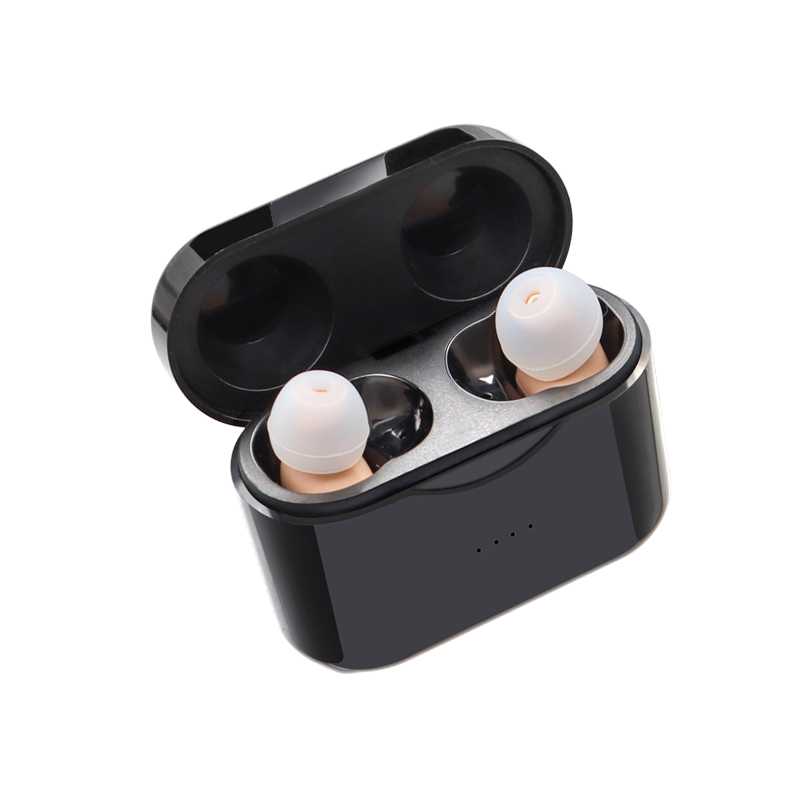
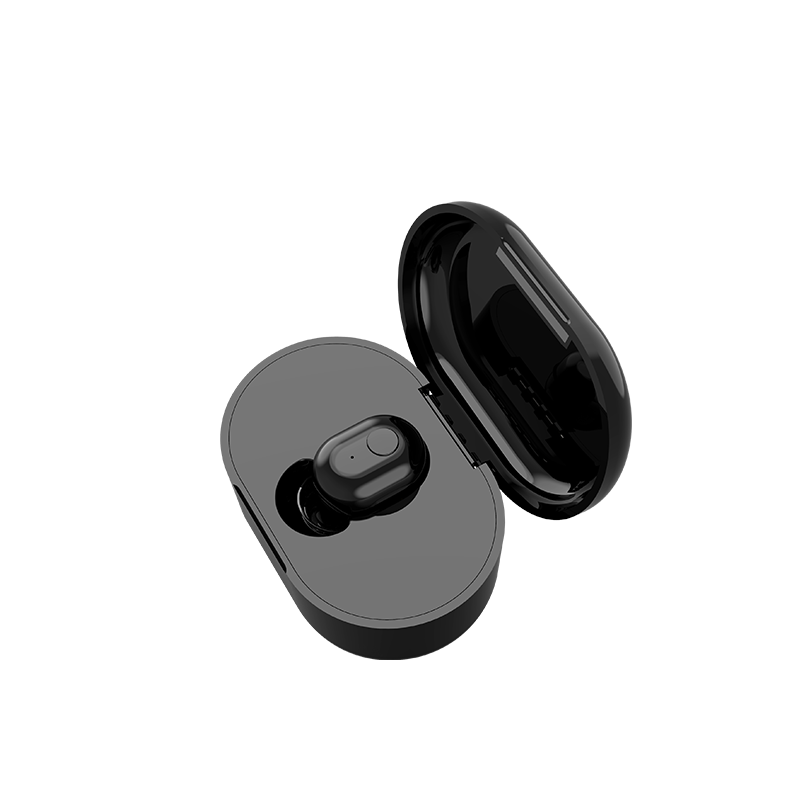
How Hearing Aids Can Improve Mental Health
There is more to hearing aids than just better hearing.
Additionally, they can:
- Restore your enjoyment of conversations
- Reduced social anxiety
- Increase self-assurance and self-worth
Benefits of Hearing Aids for Mental Health
Benefit | How It Helps |
Better Communication | Reduces stress and misunderstandings |
More Social Engagement | Less loneliness, more happiness |
Mental Sharpness | Keeps the brain active and focused |
Different Types of Hearing Loss and Their Emotional Impact
There are several types of hearing loss, and each type differentially affects mental health. Therefore, recognising the type of hearing loss is crucial to treat the patient and provide his family with emotional support:
- Conductive Hearing Loss: This happens when sound is prevented from reaching the inner ear, sometimes wax clogging the ear, fluid, or ear infections. Conductive Hearing Loss is usually temporary and treatable, but if not treated promptly, it will cause embarrassment, frustration, and social anxiety.
- Sensorineural Hearing Loss: Generally caused by damage to the inner ear or auditory nerve, it is usually permanent. Emotional trauma with induced depression and feelings of isolation happens because the victims struggle constantly to hear and communicate.
- Mixed Hearing Loss: A mixture of conductive and sensorineural hearing losses. This kind would be a little bit harder to handle and creates emotional fatigue or feelings of helplessness when medical and auditory treatment systems are involved. Recognising the type of hearing loss one has and timely treating it will go a long way towards lessening its emotional impact and improving the quality of life.
Also read: Types of hearing aids to find the one that fits your lifestyle or hearing loss.
When to Seek Help
It’s critical to be aware of symptoms such as: Difficulty understanding words, particularly in noisy environments.
- Frequently asking others to repeat
- After conversations, I feel worn out or anxious
- Don’t wait if you see these symptoms.
If you notice these signs, speak with an audiologist or hearing specialist.
Conclusion
Hearing loss is closely linked to mental health. Stresses may bring in a state of sorrow and a feeling of isolation due to a lack of treatment. But the great thing, there is help. With proper treatment and tools like hearing aids, one can enjoy life again and feel that they belong.