Retirement planning can be complex, but starting early is crucial for ensuring financial stability. The article emphasizes beginning retirement savings in one's 20s and continuing until retirement, as this allows time for significant growth through investments like stocks and bonds (ideally a mix of 70% stocks and 30% bonds). For example, saving $3,000 annually at a 7% return from age 25 to 65 can result in over $338,000, enough for expenses like hearing aids. While Social Security and pensions may not cover all needs, aiming for 70-100% of pre-retirement income is recommended depending on lifestyle choices. Medicare coverage has limitations, such as not covering hearing aids or long-term care, so planning for these costs in advance is essential. Overall, early preparation allows for a comfortable retirement without financial stress.

Are you planning to retire, but feeling unsure of how to save for necessities like hearing aids? Learn more about retirement savings in this week’s Audicus blog! Retirement can be a complicated process and approached in a several ways. There are different methods of saving for retirement, and there are numerous places in which you could store funds for retirement. Factors such as occupation may influence when and how individuals retire, but there are a few general guidelines that can be helpful for anyone considering retirement.
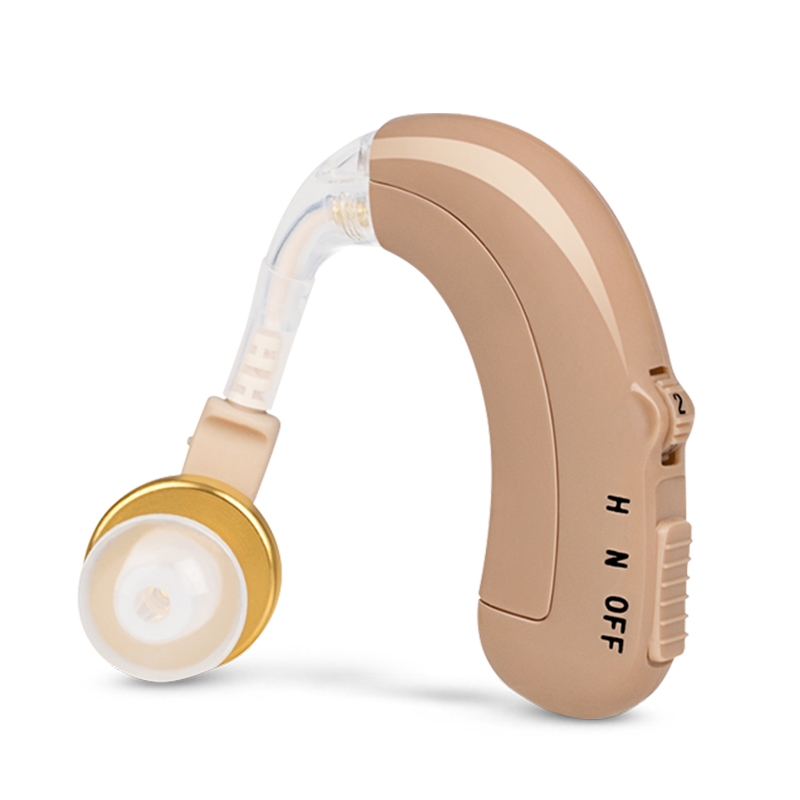
Hearing Aids and Retirement Savings
You should start saving for retirement as soon as you can; the sooner, the better. It’s practical to start saving while you’re in your 20s and continue so until you’ve started the retirement process. Oftentimes, pension and Social Security are not enough to cover all of your financial needs for items such as hearing aids. If, at age 25, you saved $3000 annually over a 10-year period in a tax-deferred retirement account (with a 7% annual return), you would have over $338,000 by the time you retired at 65! Such an investment is more than enough to invest in new hearing aids, hearing aid repairs, and hearing aid batteries. Investing in both stocks and bonds (70% stocks and 30% bonds is an ideal mixture) is a great habit for retirement. On average, the stock market returned 10.02% annually from 1926 to 2015, whereas bonds only returned 5.58%. However, stocks can be a bit stressful because of lost value over certain time periods; from 2007 to 2009 U.S. stocks decreased in value by 50.17%. In terms of income during retirement, a conservative estimate of 70% of your yearly income pre-retirement would be the amount needed for financial stability. However, if you want to travel, invest in further education or expect to have additional surgery or medication during retirement, an estimate of 100% or even more is recommended.Retirement, Healthcare, and Hearing Tests
Medicare can cover a broad variety of health needs both before and during retirement. In the case that Medicare doesn’t cover certain health costs (which is less likely to happen if you have a Medicare Advantage health plan), then you can either pay out-of-pocket or use an alternate insurance program. Medicare does not cover the following: - Alternative medicine such as chiropractic treatment or acupuncture. Exceptions to this include chiropractic services to fix spine subluxations - Cosmetic surgery, except for surgeries like breast prostheses that may fix malformations - Long-term care like nursing home care, adult day care, and debts accrued from assisted living facilities. Medicare pays for up to 100 days of rehabilitation or nursing following a three-day inpatient hospital session - Hearing Aids: For those who wish to sign up for Medicare, Medicare is not responsible for hearing aids and hearing exams. In some cases, hearing implants required following severe hearing loss will be covered. For more information you can consult the ‘Medicare & You” 2015 booklet found here: www.medicare.gov/pubs/pdf/10050.pdf Planning early for retirement can allow you to live happily and comfortably without having to worry about finances for yourself or your loved ones. Invest today!By: Aaron Rodriques
Source: CNN The above is the interpretation of How Should Retirement Savings Include Health Costs? provided by Chinese hearing aid supplier Shenrui Medical. Link https://www.srmcm.com/Blog/How_Should_Retirement_Savings_Include_Health_Costs.html of this article is welcome to share and forward. For more hearing aid related information, please visit Blog or take a look at our Hearing aids products