This article explores the potential future alternatives to full-service hearing aid purchases, highlighting the benefits and drawbacks of both traditional audiologist-provided hearing aids and upcoming over-the-counter (OTC) hearing aids. Currently, purchasing hearing aids through an audiologist offers advantages such as personalized fittings and professional guidance, but OTC hearing aids could soon provide a more affordable and accessible option for consumers with mild-to-moderate hearing loss. A study at Indiana University Bloomington found that pre-programmed hearing aids (similar to OTC models) provided comparable benefits to custom-made ones, though the latter still yielded slightly better outcomes due to their precise fit. The article also notes that only 25% of U.S. adults who need hearing aids currently use them, underscoring the urgency for more accessible solutions. The Over-the-Counter Hearing Aid Act of 2016, if passed, would make these devices widely available and require

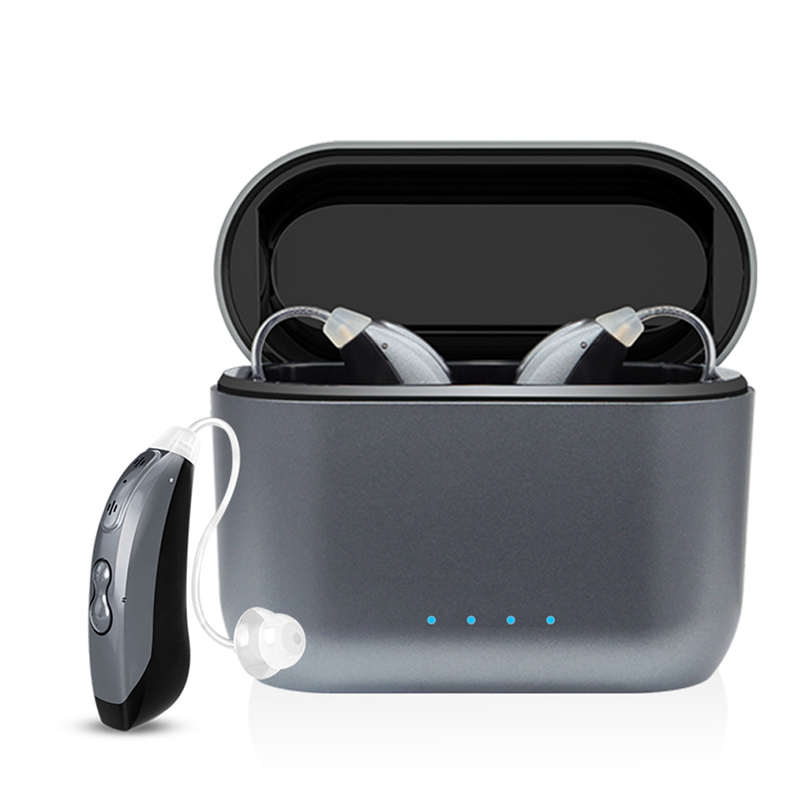
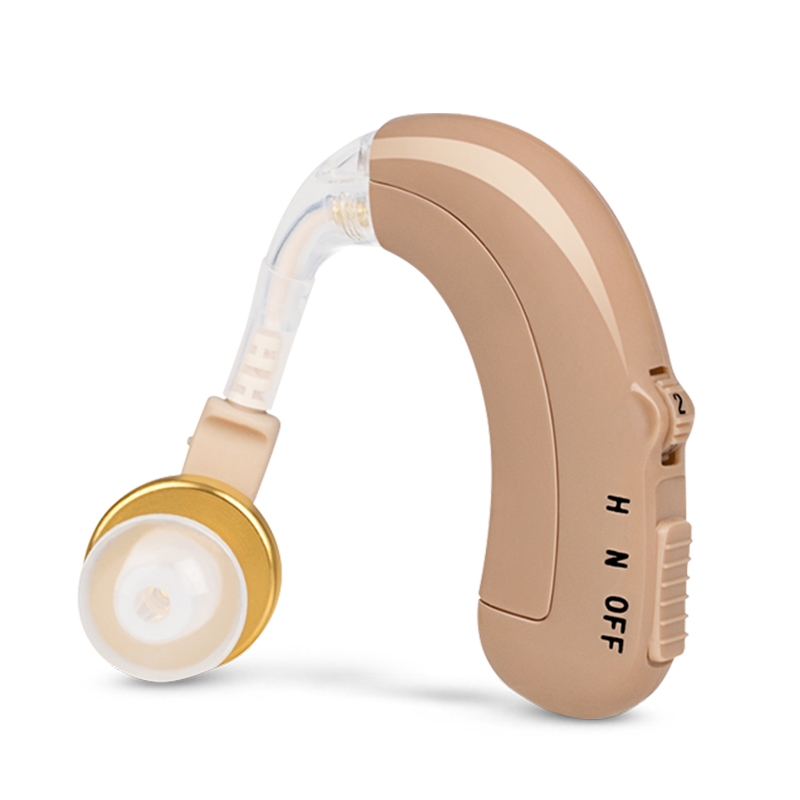
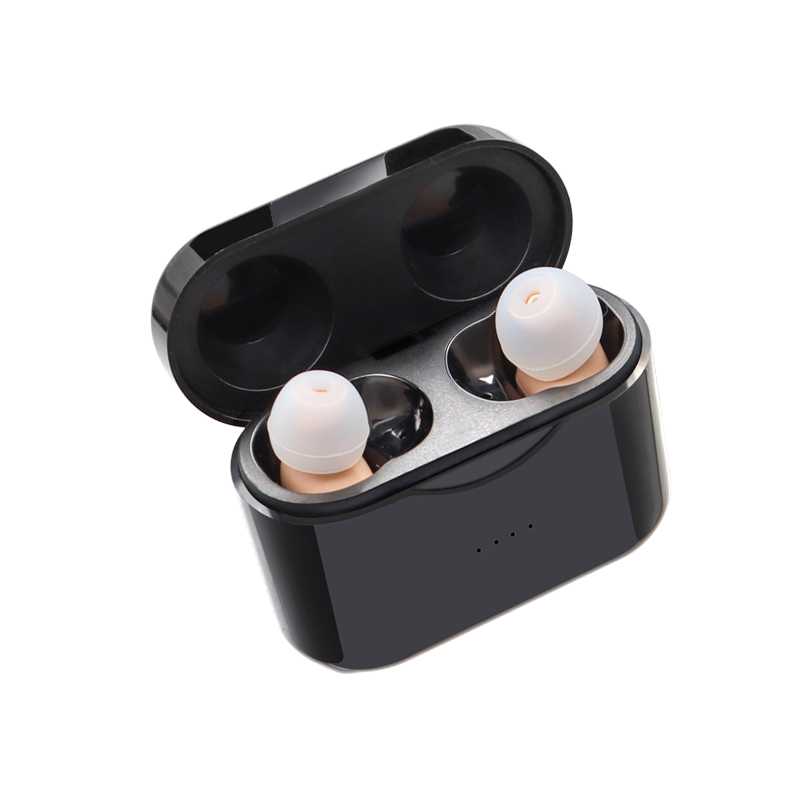
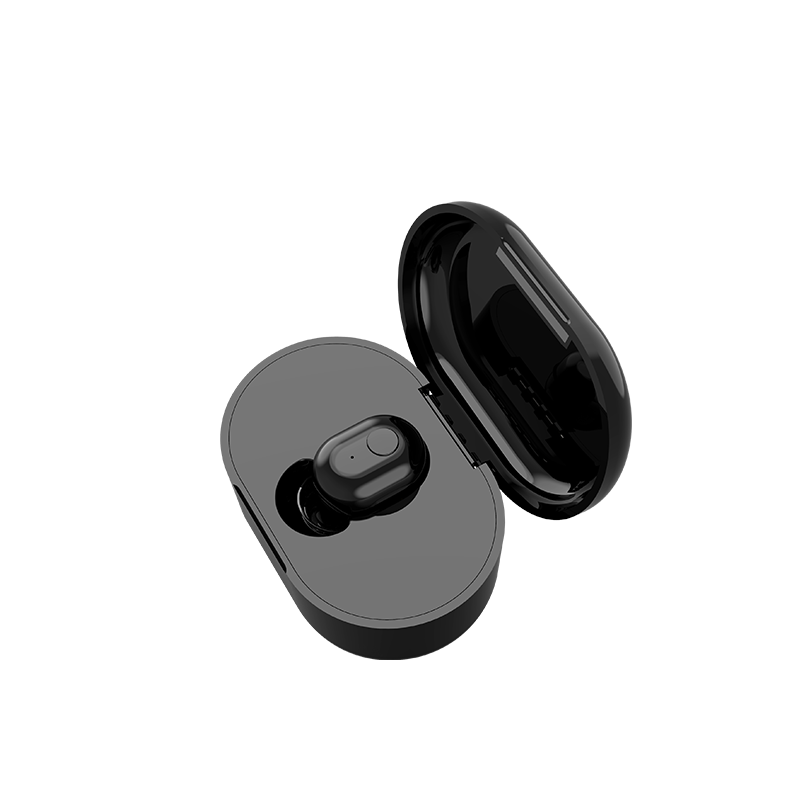
Are you aware of the possible future alternatives to full-service hearing aid purchases? Learn more in this week’s newest Audicus blog! Hearing aids purchased through an audiologist offer benefits including hearing aid fittings and professional instruction on how to use them. However, over-the-counter hearing aids may be a new option for consumers in the near future. A review of both the proposed over-the-counter hearing aid model and the current full-service purchase model has shown that each model has a number of benefits for the hearing aid user.
Over-the-counter Hearing Aids vs Full-service Hearing Aids
A new study at Indiana University Bloomington found that participants who were given pre-programmed hearing aids, similar to those that would be used in an over-the-counter hearing aid distribution model, experienced similar benefits compared to participants who received custom-made hearing aids from an audiologist. The research team examined 154 patients with mild-to-moderate hearing loss, ages 55-79, over a six week period. Both groups that received functional hearing aids fared better in hearing tests than the control group, which received nonfunctional hearing aids. Overall, individuals that received hearing aids through an audiologist had better outcomes than individuals with pre-programmed hearing aids. This comes as no surprise because getting the correct fit for a hearing aid can really affect a consumer’s hearing performance. Hearing aid parts that are too big for the ear may end up causing the user pain after repeated use or may not be able to be worn at all. Hearing aid parts that are too small may cause the hearing aid to fall out of the ear of the user, which can increase the risk of it breaking or malfunctioning. The level of conformation of your hearing aid to your ear can also influence how well you hear with the device, meaning that a good fit can really ensure that you’re getting what you pay for. Higher-quality over-the-counter hearing aids and delivery methods of the future could amount to more affordable and more accessible hearing devices. The accessibility of high-quality hearing aids is an urgent issue that needs to be addressed, as only 25% of U.S. adults that need hearing aids actually use them.The Over-the-Counter Hearing Aid Act of 2016
Although there are currently no over-the-counter hearing aids, new legislation may make them a reality. In recent news, the Academy of Doctors of Audiology (ADA) declared that it supports the Over-the-Counter Hearing Aid Act of 2016. This bill, if passed, would help to make certain types of hearing aids more accessible to the people that need them. Overall, there would be more locations in which to purchase hearing aids. The Over-the-Counter Hearing Aid Act of 2016 also demands that the FDA updates its draft guidance for PSAPs, or Personal Sound Amplification Products, and issues regulations on the safety and labeling of these newly presented, over-the-counter hearing aids. For high-quality hearing aids that are the most customized for your hearing needs, feel free to consult an audiologist! Sources: NIH, The Hearing ReviewBy: Aaron Rodriques
The above is the interpretation of What Does New Research Say About OTC Hearing Aids? provided by Chinese hearing aid supplier Shenrui Medical. Link https://www.srmcm.com/Blog/What_Does_New_Research_Say_About_OTC_Hearing_Aids.html of this article is welcome to share and forward. For more hearing aid related information, please visit Blog or take a look at our Hearing aids products