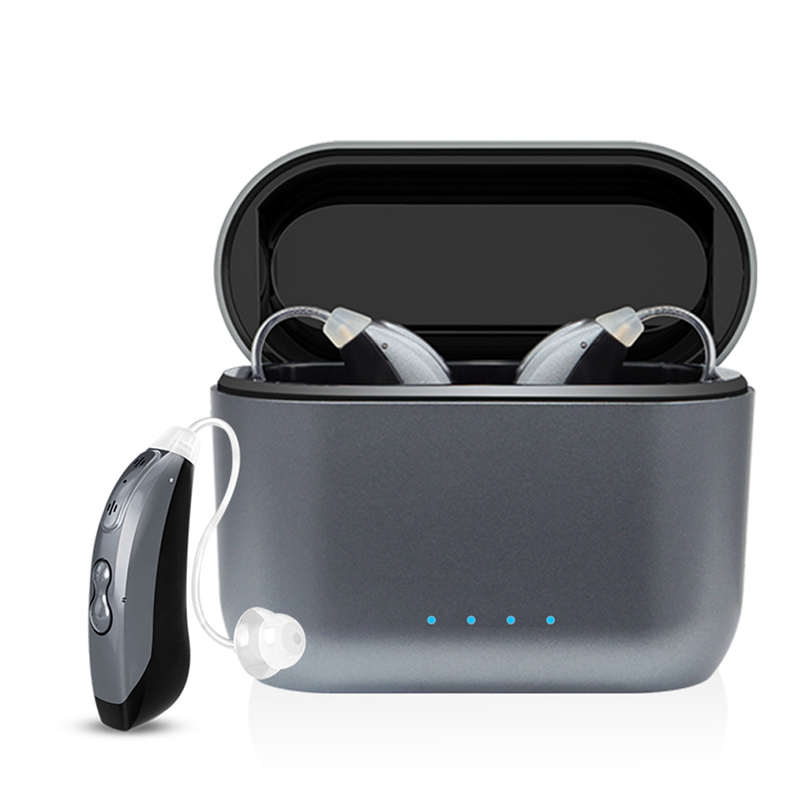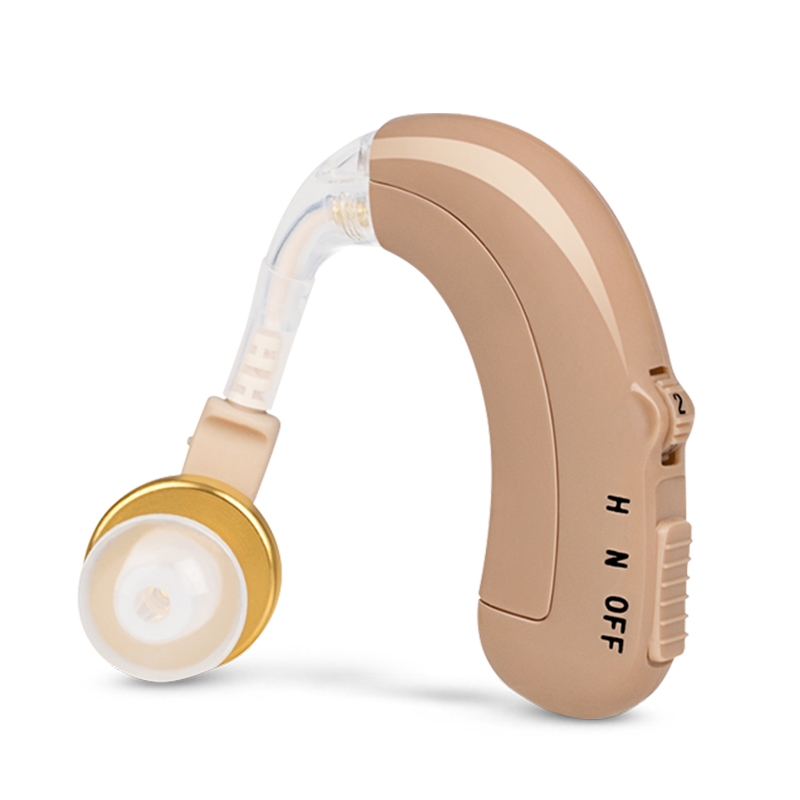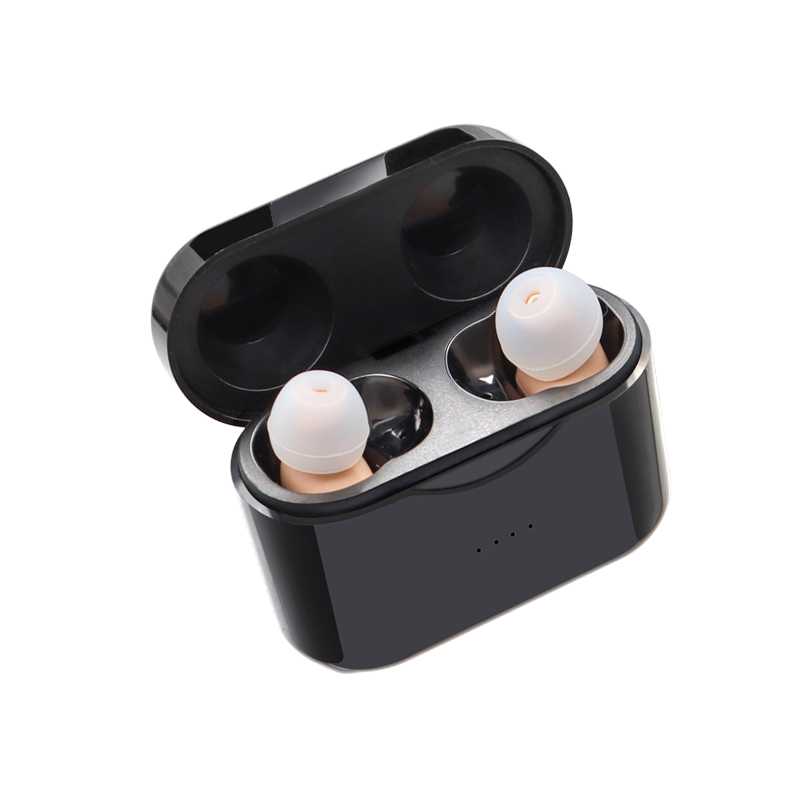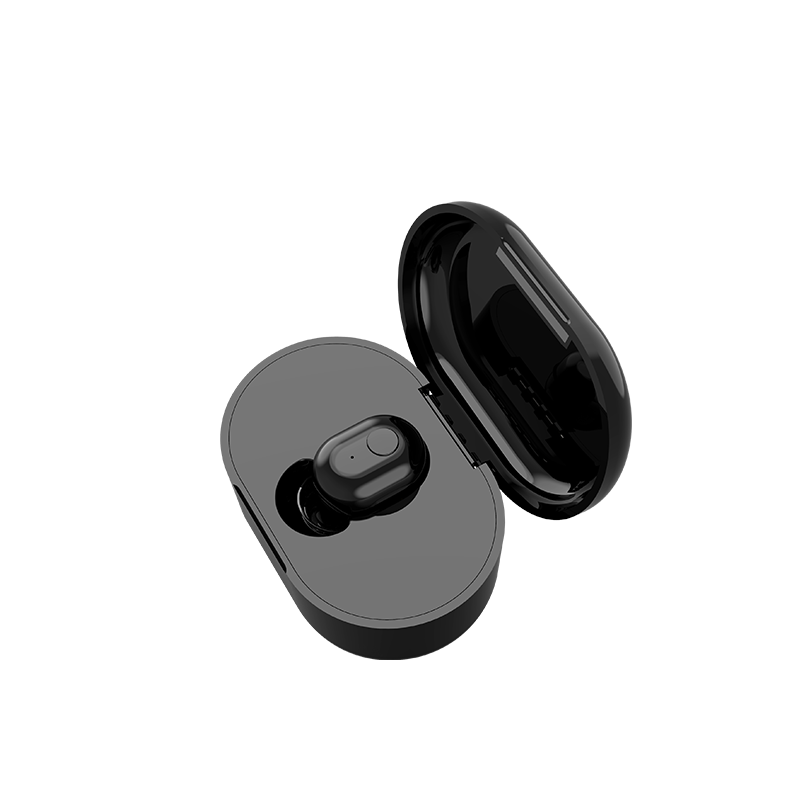
One of the biggest culprits of hearing aid damage is moisture. Water and other forms of moisture, such as sweat and humidity, can easily get into the small components of hearing aids and cause them to not function properly. This is why it’s important to use a hearing aid dehumidifier or dryer.
As is the case with most electronic devices, water can be dangerous for hearing aids. Whether it’s from rain, humid air or sweating while exercising, exposure to moisture can negatively affect the performance of hearing aids and even cause permanent damage. According to a recent study, 98% of hearing aids that are in use have moisture in them, and moisture exposure is responsible for 60% of out-of-warranty hearing aid repairs.1 This is why hearing aid moisture removal tools are helpful and can protect your investment.
Because hearing aids have exposed parts, they have a greater risk of being damaged compared to other, more “sealed” electronic devices. The microphone and receiver, both of which need to have an exposed structure to provide you with good sound, are two crucial components that can be easily damaged by moisture. That applies to both direct contact with water (such as in the shower) and humidity in your environment.
For example, one study found that hearing aids are more likely to have problems with their receivers when relative humidity (RH) levels are greater than 60%.2 Direct contact obviously poses a greater immediate risk to your devices, but ongoing exposure to humidity can have negative effects over the longer term.
Your hearing aids may have moisture damage if you notice muffled or distorted sound. You may also experience intermittent malfunctioning, such as volume fluctuations or the hearing aids dying suddenly. There can also be outward signs of damage, such as rust or visible moisture. But hearing aid moisture removal tools can help prevent this kind of damage.
Consider a few factors when looking for hearing aid moisture protection that matches your needs. While dehumidifiers and dryers can both be helpful, weigh your options based on:
- Lifestyle: For people who are regularly outdoors or exposed to humid environments or individuals who sweat, it’s a good idea to have a hearing aid dryer in case your hearing aids get completely soaked or submerged. It may also be worthwhile to consider waterproof hearing aids, which are designed to withstand more moisture to begin with.
- Climate: If you live in a humid climate, using a dehumidifier regularly is a good way to prevent moisture from causing damage. Keep in mind that the more humid the climate, the more often the drying agent will need to be replaced.
- Device type: Depending on the type of device you use, a hearing aid dehumidifier or dryer may work better. If you use a rechargeable hearing aid, a dehumidifier is a better option since electronic dryers may damage the battery. (Unless you have Miracle-Ear’s Dry & Clean charger, which safely charges, cleans and dries out hearing aids with rechargeable batteries.) Talk to your Miracle-Ear hearing care professional (HCP) for advice on which drying device is best for your particular hearing aids.
If your hearing aids have gotten wet but you don’t have access to your hearing aid dehumidifier or dryer, don’t panic. Here’s how to dry hearing aids without a hearing aid dryer:
- Remove the batteries
- Shake out the hearing aids to remove any water that may have gotten inside
- Let your hearing aids dry overnight on a paper towel or in a sealed jar of uncooked rice, which can help soak up the moisture. (According to a study published in the International Journal of Audiology3, rice can work just as well as other desiccants).
Exposing your hearing aids to the elements can be unavoidable at times, but here are a few things you can do for hearing aid moisture protection:
- Use hearing aid sweatbands or covers when exercising or in humid environments
- Avoid wearing your hearing aids while swimming, bathing or showering
- Keep your head covered in the rainy or snowy weather by wearing a hooded jacket or a hat, or using an umbrella
- Gently wipe your hearing aids off with a cloth at the end of each day to keep moisture and bacteria from building up
- Place your hearing aids in a hearing aid dehumidifier each night