Step 1: Take a professional hearing test
- Discuss your hearing: You’ll start by talking with your hearing care professional (HCP) about your current hearing ability and the issues you face in daily life. “We ask things like, ‘Where are you having difficulty hearing?’ or ‘Are there certain people you’re having difficulty hearing?’” Boechler says.
- Otoscopy: The next step is to look in your ear. Your HCP will perform an otoscopy, which is the process of using a lighted scope to visually examine any issues that may affect hearing, like earwax or infection.
- Additional tests: To better understand the type of hearing loss you’re experiencing, your HCP will also perform bone and air conduction tests, which help to pinpoint exactly where the loss is happening and what’s causing it. These tests provide a deeper view of your hearing loss, allowing your HCP to tailor the best treatment for you. “Hearing loss for most people is in your inner ear, but you can have hearing problems in your outer ear, at your eardrum [and] in your brain,” Boechler says. “So, part of the hearing evaluation is determining where that hearing [loss] is.”
Step 2: Discuss your lifestyle needs and hearing aid preferences
After your hearing exam, your HCP will ask some questions about your lifestyle. How active are you? Do you like to swim, jog, or boat? Do you enjoy listening to music or spend a lot of time in crowded meeting rooms?
“Not every hearing aid is a good match for every lifestyle,” Boechler says. “For example, if you are very active, you may need a product that will sit very securely in your ear and be very water resistant.”
Understanding your lifestyle and what’s important to you gives your HCP more data to get a better fit and help you choose among different styles of hearing aids.
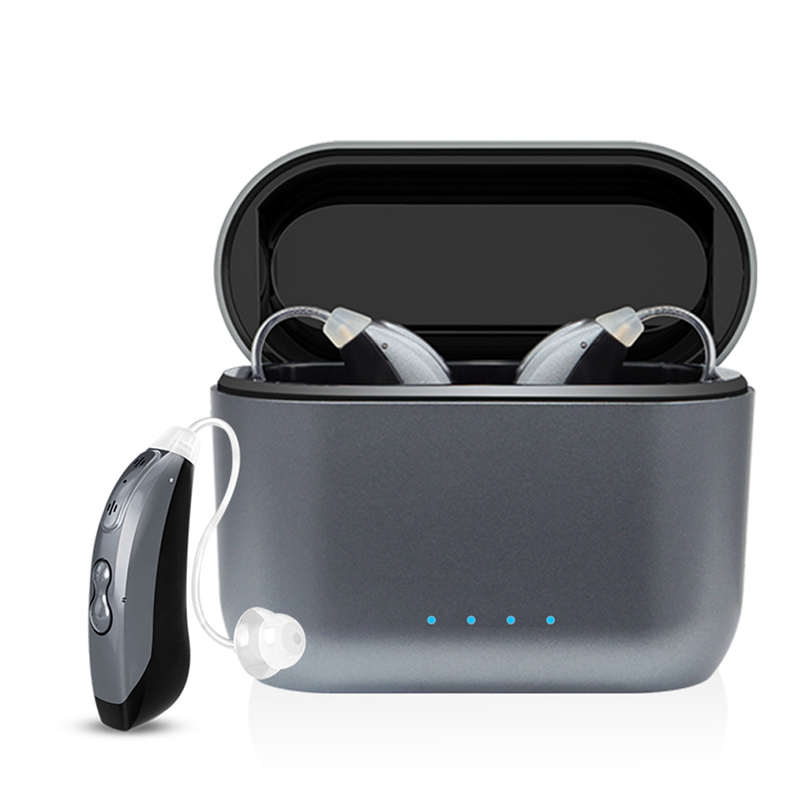
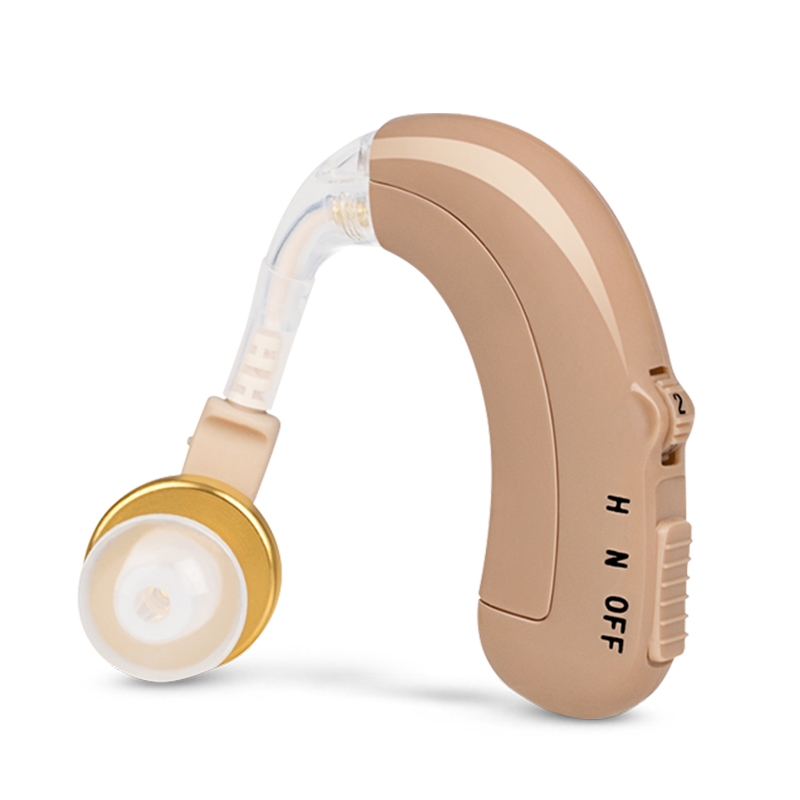
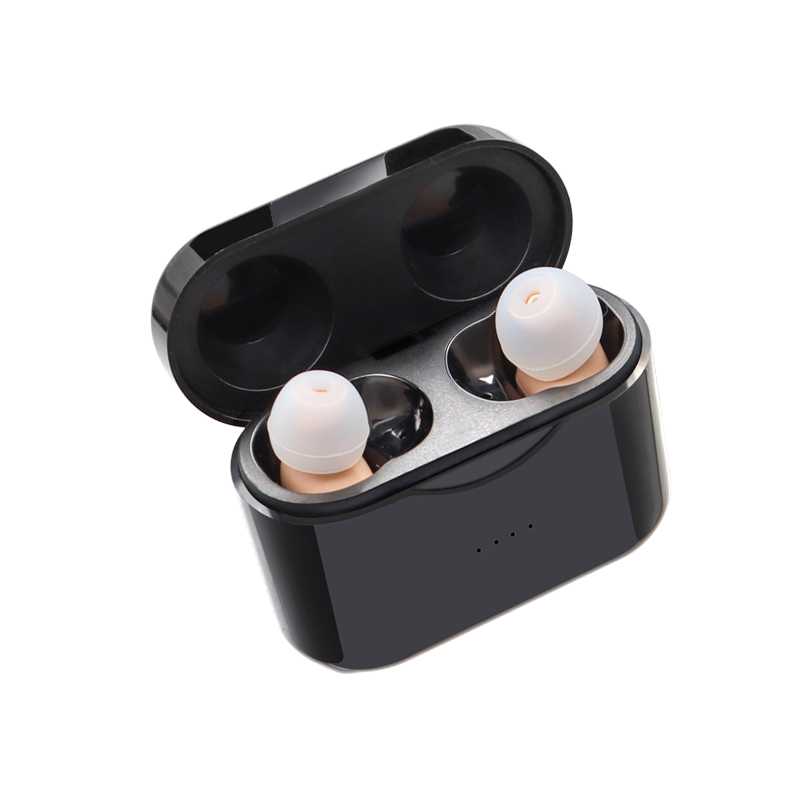
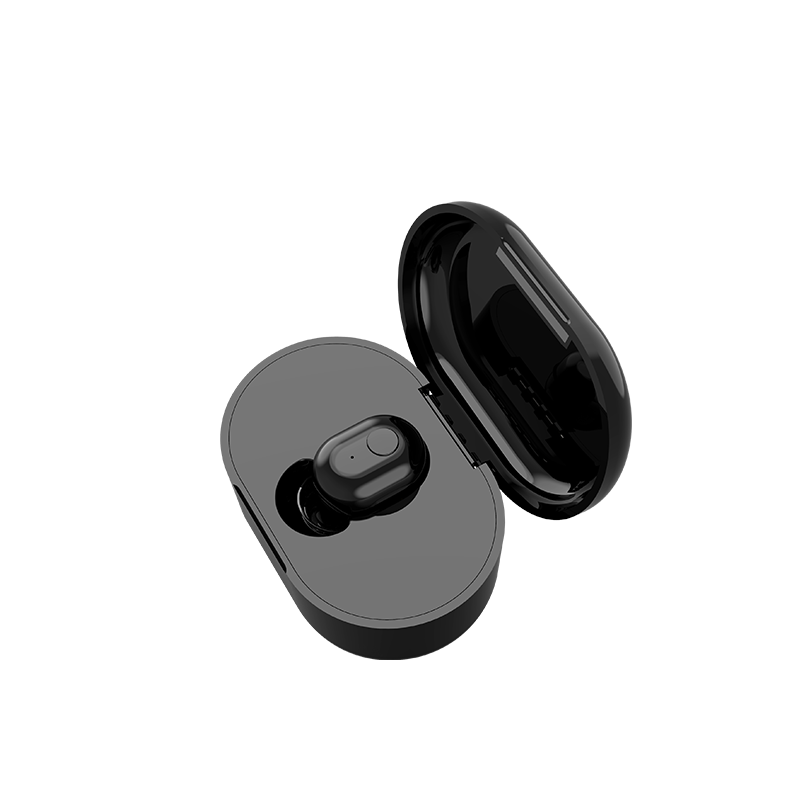
You and your HCP will also discuss your hearing aid preferences. Do you want a hearing aid that sits fully in the ear and is nearly invisible? Do you prefer something with advanced features like group conversation assistance?
Step 4: Take an impression of your ear
If you decide on a hearing aid style that includes a custom earpiece, your HCP will take a mold of your ear. “It’s kind of like a dental mold,” Boechler says, noting that it will capture an exact impression of your ear’s shape.
Your HCP will put a small piece of cotton or foam in the ear canal to protect your eardrum and then insert soft silicone into and around the ear. It takes about five minutes to harden. The mold ensures perfectly fitting hearing aids that are secure and comfortable in your ear, providing the best possible sound quality.
Step 5: Book appointment for your hearing aid fitting
Before you leave your initial hearing appointment, you’ll schedule a time for your hearing aid fitting appointment. Fitting hearing aids happens after your custom-ordered device comes in.
Step 6: Hearing aid trial and fitting
Once your hearing aids are ready, you’ll revisit the Miracle-Ear office for a hearing aid fitting. Your HCP will have already received your hearing aids and checked them over to make sure everything is working.
“When you come into the office, we will put the hearing aids on you and program them specifically to your hearing loss,” Boechler says. “We will check the physical fit and make sure that it’s comfortable for you to wear, and then we can start doing programming.”
Custom hearing aid programming ensures your hearing aids are calibrated to your specific hearing and lifestyle needs, with different program settings available for different sound environments.
One critical step in the fitting process, according to Boechler, is the real ear measure (REM) test, which measures how the hearing aid is working inside your ear. “That’s going to make speech the clearest [so] you’re going to hear the best and you’re going to have the best quality sound.”
Step 7: Learn more about your hearing aid’s capabilities
Once your hearing aids have been properly fitted, your HCP will walk you through all the buttons, capabilities and instructions for caring for your new hearing aids.
They’ll ensure you understand how to replace your hearing aid battery (or charge it, if it’s a rechargeable style) and how to clean your hearing aids to keep them working their best. They’ll help you download the Miracle-Ear app on your phone and help connect your hearing aids, so you can easily make changes to programming from your phone. There, they’ll show you how to connect to Bluetooth® devices if you have Bluetooth-enabled hearing aids, and show you how to make adjustments for different listening environments and even navigate pre-set programs and settings.
Before leaving, you’ll also learn about Miracle-Ear’s industry-leading three-year warranty and the lifetime aftercare services* available when purchasing Miracle-Ear hearing aids.
Step 8: Adjust your new hearing aids
As you leave the office, remember: you’re not alone. It can take time to adjust to your new hearing aids. With these new devices, you’ll hear in a way you haven’t heard before. As you go about daily life and use your hearing aids in all types of real-world settings, you may find you need to make some tweaks or adjust hearing aid settings.
“In a couple weeks, come back to the office, and we can continue to make adjustments and make it better for you,” Boechler says. “If you’re struggling to hear on the phone or to hear your grandchild’s voice, we can continue to refine the fitting [and programming] so it fits your specific needs.”
Boechler’s number one recommendation? Give yourself time and space to get used to hearing sounds in a new way. “It might be exhausting, but it’s a process that really pays off when you’re able to hear your grandchildren more clearly,” she says.
What happens after the fitting ?
After your hearing aid fitting, audiologists provide training, education and ongoing support for you and your care partners. You’ll learn about using and maintaining your hearing aids, including battery care, cleaning, connecting to devices and warranty details.
They’ll also explain what to expect, such as the adjustment period, how performance varies in different settings and strategies for effective communication.
How long does the hearing aid fitting process take?
Expect to spend one to one-and-a-half hours at each of the initial appointments (hearing test and fitting). Follow-up appointments should take about 15 to 30 minutes.
The above is the interpretation of The Fitting Process: How Your Hearing Aids Are Customized for You provided by Chinese hearing aid supplier Shenrui Medical. Link https://www.srmcm.com/Blog/The_Fitting_Process_How_Your_Hearing_Aids_Are_Customized_for_You.html of this article is welcome to share and forward. For more hearing aid related information, please visit Blog or take a look at our Hearing aids products