Our team at New York Hearing Doctors work to keep our patients hearing functional. We live in a noisy world. Loud noises like traffic, sirens, and music can cause our hearing to decline. Hearing loss can start to impede on your lifestyle, which makes it hard to do daily tasks.
Most everyday sounds are at a safe level. But some sounds can become harmful when too loud, even if just for a short period of time. Noise can damage membranes, nerves, hair cells, and various other parts of the ear which results in temporary or permanent hearing loss. The hearing loss will progress as long as the exposure to the sound continues. Any damage that is done to the inner ear or auditory neural system is usually permanent.
Noise can lead to damaged hair cells and damaged nerves in the ears which cause hearing loss. On average, people are born with about 16,000 hair cells in their cochlea. These allow the brain to detect sounds. Between 30-50% of these hair cells can be damaged before any changes in hearing occur. Repeated exposure to loud noises can eventually destroy hair cells which can lead to the loss of hearing.
Noise can also damage the auditory nerve. This nerve carries information about sounds to the brain. Noise can start to slowly damage this and can affect how you hear later in life.
There are a few steps that take place when sound enters the ear.
- The sound travels through the ear canal until it reaches the eardrum.
- The eardrum starts to vibrate. The vibrations carry further into three tiny bones in the middle ear.
- The bones then transfer the sound vibrations to the fluid in the inner ear.
- These vibrations are picked up by the hair cells and create an electrical signal that is sent to the brain.
As you can see, if the hair cells are damaged this can present an issue for hearing as the electrical signals that are sent to the brain become obstructed.
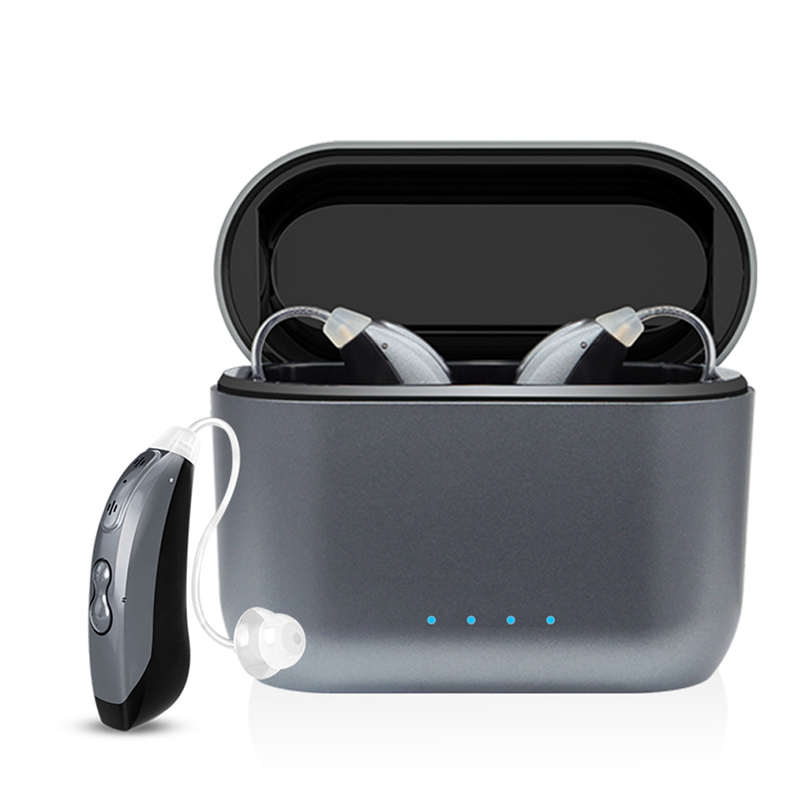
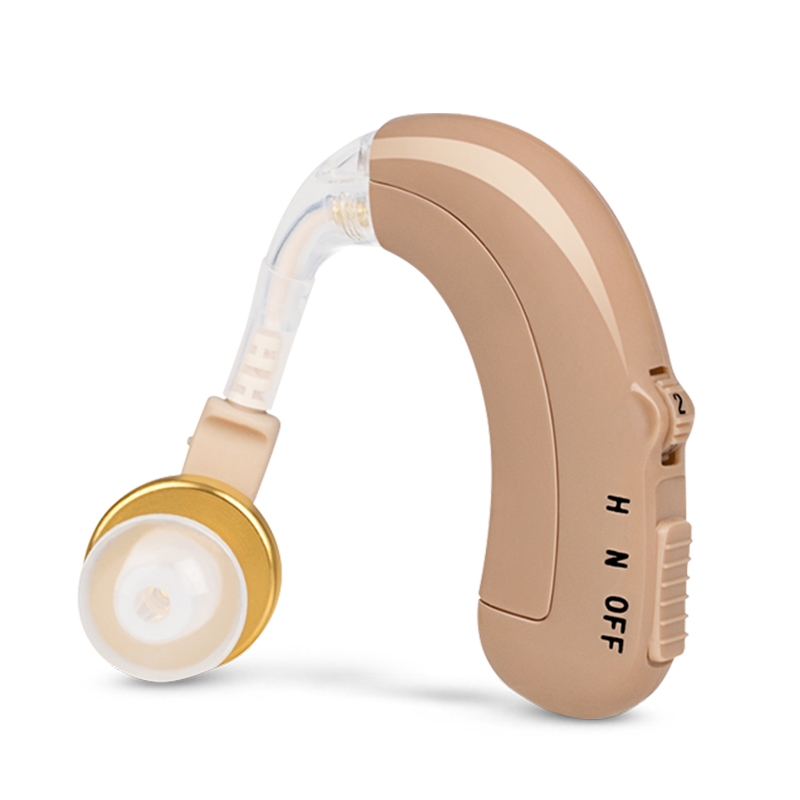
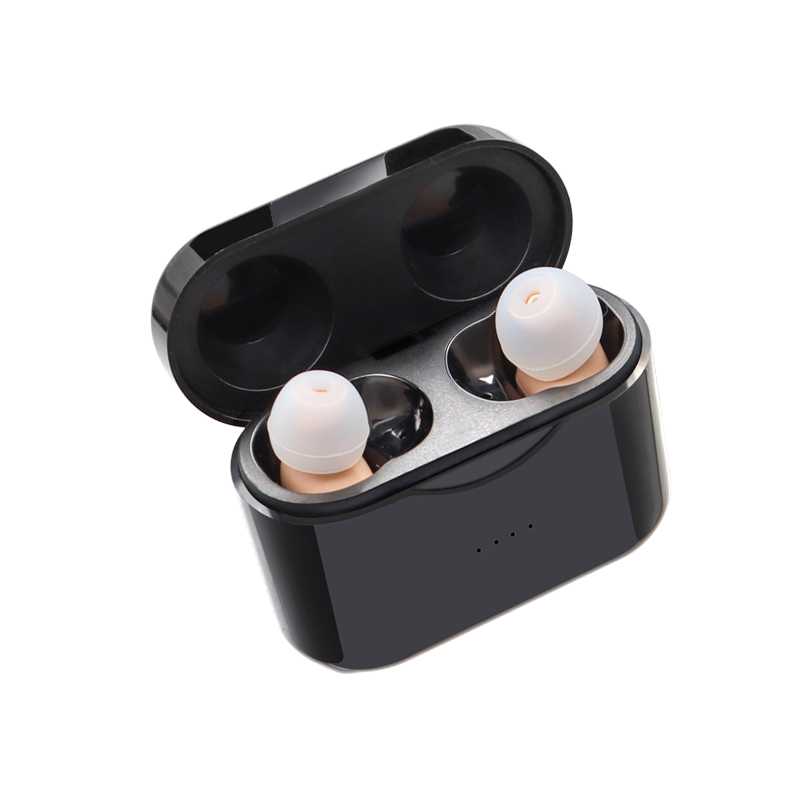
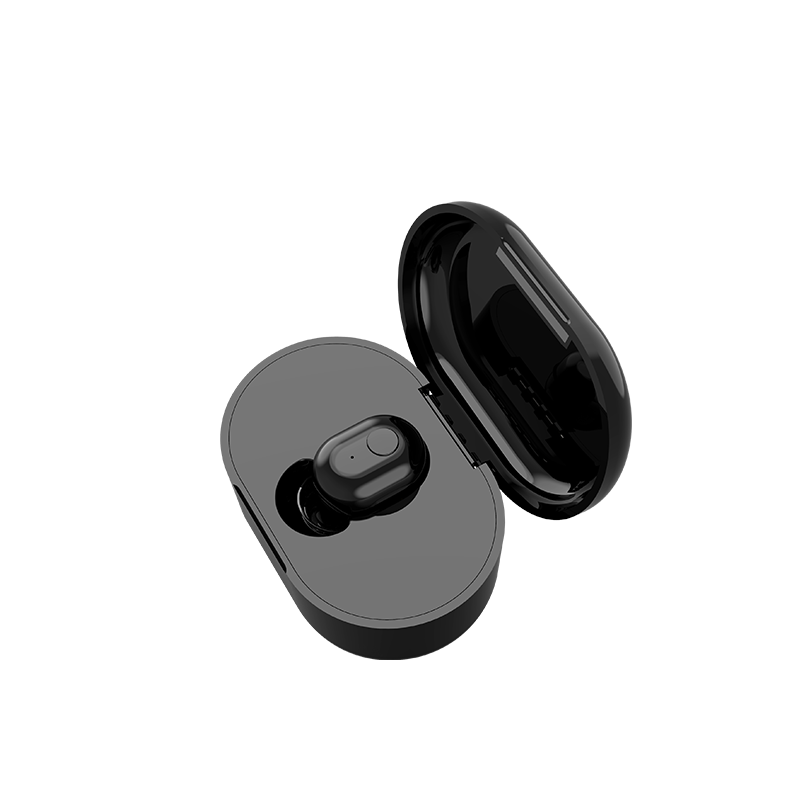
When a hair cell becomes damaged or destroyed, the body does not regenerate new ones. Also, if the nerve becomes damaged, it does not repair itself. You cannot restore your natural hearing, but by meeting with a specialist at New York Hearing Doctors, we can find the right treatment for you. Significant advancements in audiology have been made to help restore hearing. If you have hearing loss, we can fit you with a hearing aid.
If you are suffering from hearing loss, you do not have to live with this. Our team can help to improve your quality of life by restoring your hearing. To get started, come in for a quick and easy hearing assessment. Once this is done, we can start discussing your treatment options. To schedule a consultation, call our New York City office at 212-774-1971 or fill out our online form.
The above is the interpretation of The Mechanism of Noise-Induced Hearing Loss provided by Chinese hearing aid supplier Shenrui Medical. Link https://www.srmcm.com/Blog/The_Mechanism_of_Noise-Induced_Hearing_Loss.html of this article is welcome to share and forward. For more hearing aid related information, please visit Blog or take a look at our Hearing aids products