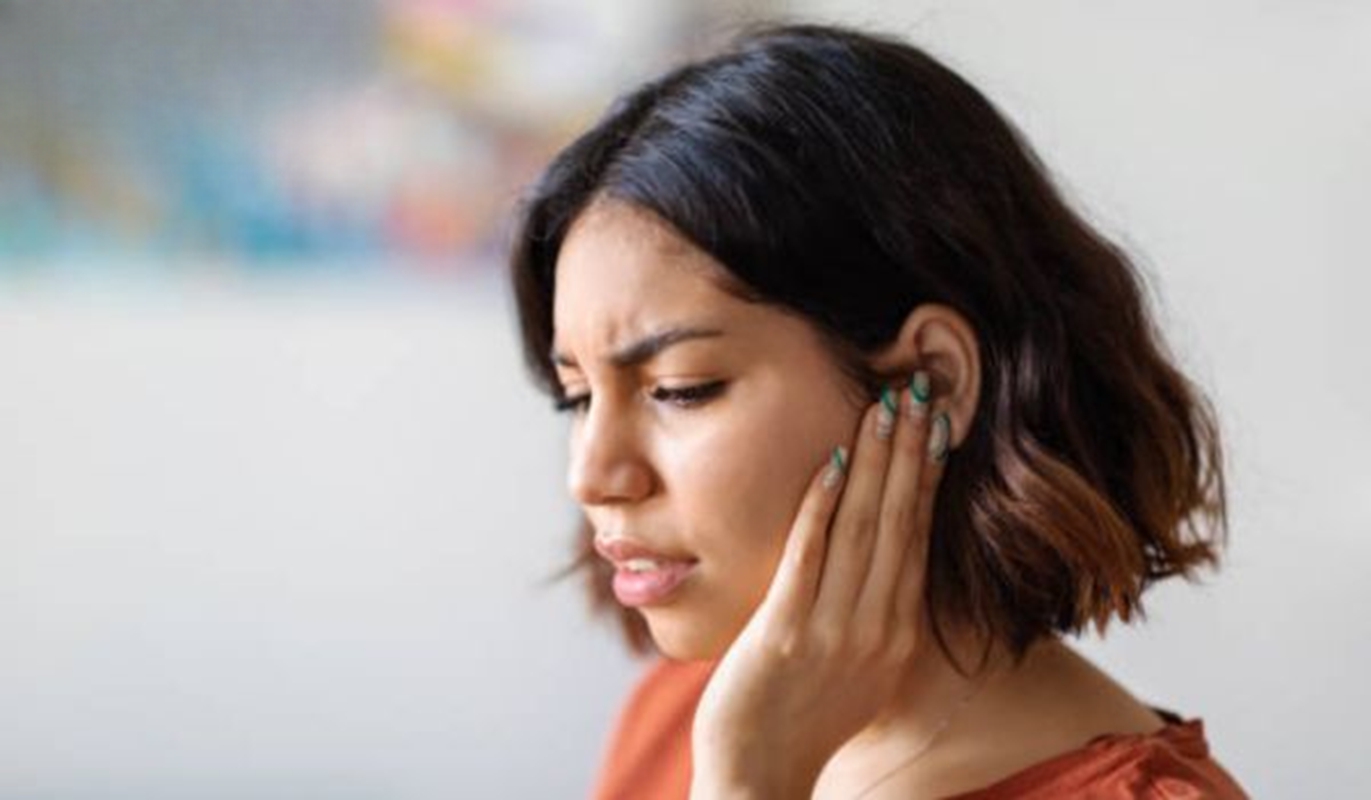
While many people experience varying degrees of hearing loss, not enough people get routine hearing checkups. It’s important to notice hearing loss early on in order to treat it more accurately.
While anyone can get a hearing test, it’s especially important to schedule one if you are currently taking any medication, if you recently experienced high volume levels, or if you’ve recently had a cold or ear infection. People particularly susceptible include musicians, military personnel, and people working in environments with a lot of loud machinery, such as factory and construction workers.
Are There Different Types of Hearing Tests?
Dr. Timothy Teague of Hearing Consultants offers three different types of hearing tests. The first is called a diagnostic auditory evaluation. This procedure involves sitting in a soundproof booth and wearing headphones. These headphones will produce several tones that differ in volume and pitch. Once the sound is loud enough for you to hear, you will push a button letting the doctor know you have heard the sound.
The second test is known as tympanometry. In this test, the audiologist uses a painless instrument known as a tympanometer to change the pressure inside of your ears for a few seconds. This allows an accurate measurement of your ears.
The last test is a measurement of your acoustic reflex thresholds. This test measures the contraction of the stapedius muscle, which protects the ears against loud noises. With an airtight seal on your ear, the audiologist will play a number of beeps that progressively get louder. Like the previous test, this one is painless and very quick, lasting only a few seconds.
New York Hearing Doctors Institute for Hearing & Balance also offers an additional hearing test known as otoacoustic emissions or OAEs. In this test, a probe is placed inside of the ear canal that measures the subtle noises an inner ear makes when it reacts to sound.
The results of these tests will be recorded on an audiogram, which displays a person’s ability to hear properly. The information is presented for both ears as a way of highlighting discrepancies. The ability to perceive certain frequencies is graphed, and speech recognition is shown as a percentage. All of these results will be explained in detail by the audiologist, who will also provide treatment options if need be.
Whether you’re young or old, it’s a good idea to get a hearing test every now and then in order to ensure that your ears are in good working condition or to pinpoint issues and explore treatment options. Because hearing loss is often gradual, many people aren’t even aware that their hearing has been compromised. Schedule an appointment now, so there will always be music to your ears.
The above is the interpretation of Your First Hearing Test: A Complete Guide provided by Chinese hearing aid supplier Shenrui Medical. Link https://www.srmcm.com/Blog/Your_First_Hearing_Test__A_Complete_Guide.html of this article is welcome to share and forward. For more hearing aid related information, please visit Blog or take a look at our Hearing aids products