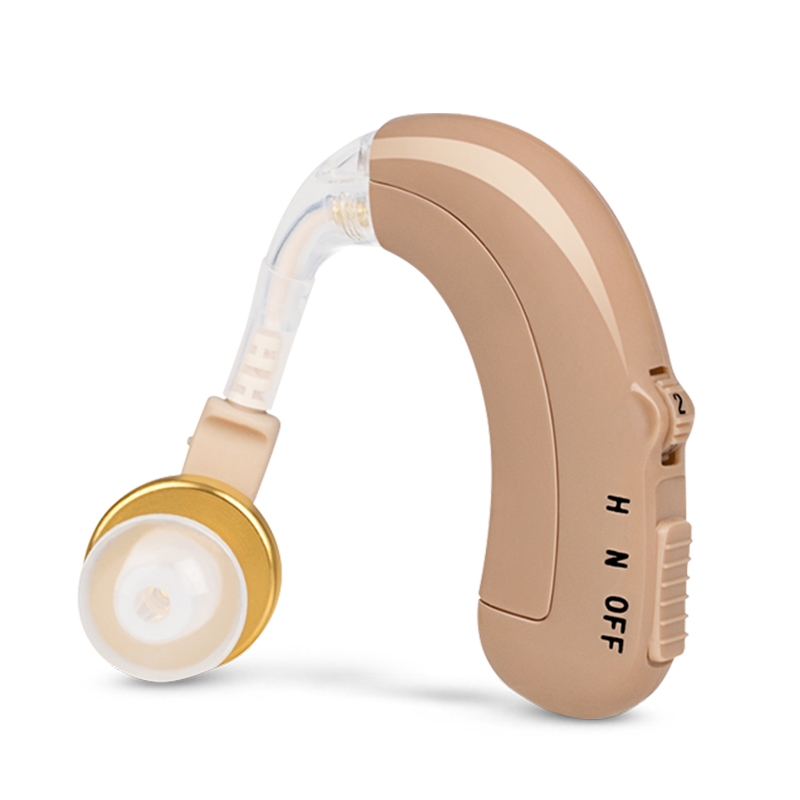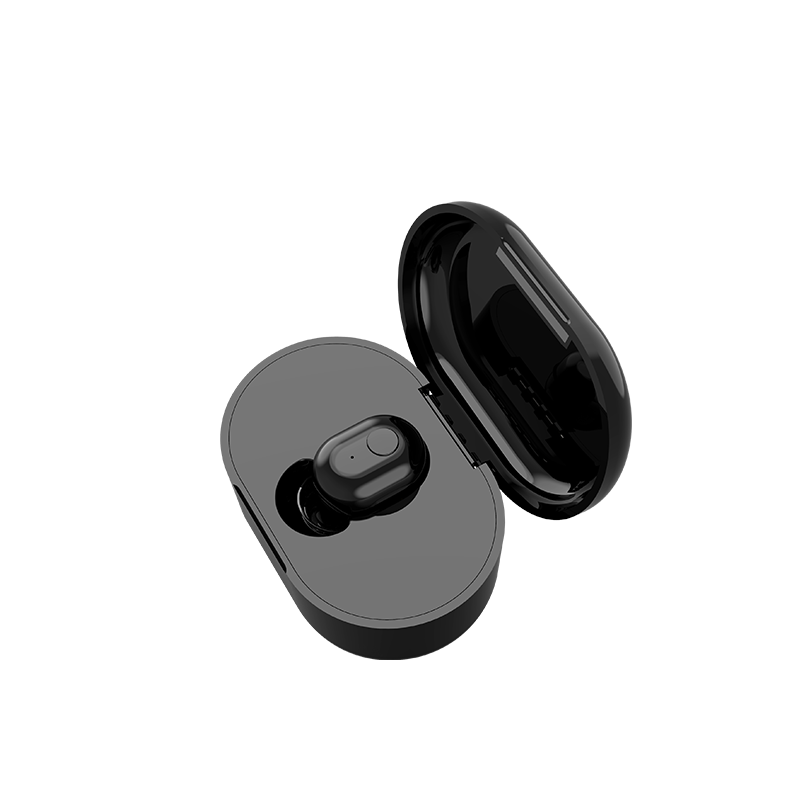
Hearing impairment has been diagnosed to be prevalent, affecting people of all ages all over the globe. It is important to understand what causes hearing loss to better protect or maintain our hearing. This is a fact; it can affect anyone, at any age, through many different causes. Whether it’s a gradual change or a sudden issue, losing the ability to hear properly can affect your daily life, relationships, and mental health.
What Is Hearing Loss?
If hearing loss means being unable to hear sounds like others do, the loss can be of much greater magnitude: in fact, it can be mild, moderate, severe, or complete (called profound hearing loss). In some cases, one would hear muffled sounds, while others may not hear anything at all.
Hearing loss can appear in one ear or both ears. To make it easier for one to understand, they should know about the Degree of Hearing Loss, which informs doctors about the intensity of the problem.
Main Causes of Hearing Loss
Age-Related Hearing Loss (Presbycusis)
- This is the most common type of hearing loss.
- It usually happens as we get older.
- The tiny hair cells in the inner ear get damaged over time.
- It often leads to high-frequency hearing Loss, where you can’t hear high-pitched sounds like children’s voices or birds chirping.
Noise-Induced Hearing Loss
- Caused by loud sounds like music, machines, fireworks, or headphones.
- It can happen suddenly or over time.
- Often affects young people who listen to loud music or work in noisy places.
Genetic and Hereditary Factors
- Some people are born with hearing problems.
- It can also run in families.
- This kind of hearing loss may show up early in life or later.
Ear Infections and Inflammation
- Common in children.
- Ear infections can cause fluid buildup or damage to the ear.
- Can lead to Conductive Hearing Loss if not treated properly.
Physical Trauma or Injury
- Accidents, falls, or loud blasts can damage the ear.
- Injuries may affect the eardrum or bones inside the ear.
Ototoxic Medications
- Some medicines can harm the inner ear.
- Includes certain antibiotics, chemotherapy drugs, and pain relievers.
Underlying Medical Conditions
- Diabetes, high blood pressure, and autoimmune diseases can affect hearing.
- These health issues can damage the blood vessels or nerves in the ear.
Also Read: Types of Hearing Problems You Should Know. This guide can help you learn about different hearing issues and how they affect people differently, so you can better manage or prevent them.
Types of Hearing Loss and Their Causes
Conductive Hearing Loss
- Happens when sound can’t travel through the outer or middle ear.
- Causes: wax build-up, fluid from infections, and holes in the eardrum.
Sensorineural Hearing Loss
- Caused by damage to the inner ear or hearing nerve.
- Causes: ageing, loud noise, certain illnesses, or drugs.
Mixed Hearing Loss
- A combination of conductive and sensorial hearing loss.
- Needs both medical and hearing aid treatments.
Read More: Difference Between Conductive and Sensorineural Hearing Loss. Knowing the difference can help you choose the right treatment and understand what type of hearing aid or support you might need.
Types of Hearing Loss and Causes
Type of Hearing Loss | Main Causes | Can It Be Treated? |
Conductive | Wax, infections, injuries | Often with medicine or surgery |
Sensorineural | Ageing, noise, illness | Hearing aids or implants |
Mixed | Both types combined | Depends on each condition |
Symptoms That Indicate Hearing Loss
Look out for these common signs:
- Asking people to repeat themselves
- Turning up the volume on the TV or phone
- Trouble hearing in noisy places
- Ringing or buzzing in the ears (tinnitus)
- Feeling like others are mumbling
If you notice these signs, it’s best to take a hearing test. Knowing what level of hearing loss you have helps in choosing the right treatment.
Diagnosis and Assessment
Doctors or hearing experts (audiologists) use different tools to check your hearing:
- Pure tone audiometry (headphone test)
- Speech tests (understanding spoken words)
- Tuning fork tests (checking bone conduction)
These tests help figure out the degree of hearing loss and the type of problem.
Preventive Measures
You can lower your risk of hearing loss by:
- Avoiding loud noises
- Wearing earplugs at concerts or noisy jobs
- Keeping the volume low on headphones
- Treating ear infections quickly
- Getting regular check-ups
Treatment Options for Different Causes
Depending on the cause, hearing loss can be managed with:
- Hearing aids: Help with mild to moderate hearing loss.
- Cochlear implants: For severe to profound hearing loss.
- Medications: To treat infections or inflammation.
- Surgery: For fixing damaged parts of the ear.
Some people may also benefit from speech therapy or assistive devices.
When to See a Specialist
Visit a doctor or audiologist if:
- You notice a sudden change in your hearing.
- You feel dizzy or have ear pain.
- Fluid or pus is coming from the ear.
- Your child is not responding to sounds.
Early action can prevent long-term hearing damage.
Also Read: How to Put Hearing Aids Properly. Using hearing aids correctly ensures better hearing and comfort throughout the day. Learn the simple steps to get it right.
Conclusion
Hearing loss is a serious issue, but many causes can be prevented or treated. Whether it’s due to age, noise, or illness, knowing the cause helps you take control.
If you think you or someone you care about may have hearing problems, don’t wait. Talk to a hearing specialist and get the right help early.